Landlords face significant responsibilities regarding tenant safety and legal compliance. The introduction of Electrical Installation Condition Reports (EICRs) and Residual Current Devices (RCDs) has made this task even more critical. Understanding how these elements interact can prevent possible danger and legal issues. However, many landlords remain unaware of the specific requirements and consequences of non-compliance. What steps should they take to guarantee their properties meet these necessary standards?
Key Takeaways
- Regular EICR inspections, every five years or at the change of occupancy, ensure that electrical installations are safe and compliant with regulations.
- RCDs are essential for preventing electric shock and fires; their proper installation and testing are key to compliance.
- Non-compliance with EICR and RCD standards can lead to fines, legal penalties, and increased insurance costs for landlords.
- Maintain detailed records of EICR inspections and RCD tests to demonstrate compliance and increase tenant safety.
- Stay up to date on electrical safety regulations to proactively address compliance issues and ensure a safe living environment for tenants.
Table of Contents
Understanding the Importance of EICR and RCD Code in Rental Properties
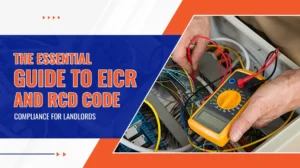
Understanding the importance of Electrical Installation Condition Reports (EICR) and Residual Current Devices (RCD) codes in rental properties is essential for landlords who prioritize tenant safety and regulatory compliance. EICRs are thorough assessments that evaluate electrical installations in a property, identify possible risks, and ensure systems are safe for use. Regular EICR inspections not only safeguard tenants but also protect landlords from legal repercussions associated with non-compliance.
RCDs are important components that prevent electric shocks and reduce fire risk by quickly disconnecting power in the event of a fault. The presence of RCDs increases the overall safety of the electrical system, contributing to a secure living environment. By adhering to EICR and RCD regulations, landlords demonstrate their commitment to maintaining high safety standards, fostering trust with tenants, and ensuring their properties meet necessary legal requirements. Ultimately, compliance is a proactive step toward prioritizing the well-being of all residents.

What to Do If Your Property Is Missing an EICR or RCD Code
Landlords without an Electrical Installation Condition Report (EICR) or a Residual Current Device (RCD) certificate must take immediate action to ensure compliance and tenant safety.
The first step is to consult a qualified electrician to perform the necessary inspections. Following that, landlords should:
- Schedule an EICR Inspection: Arrange for a certified professional to conduct the EICR assessment as soon as possible.
- Obtain RCD Installation: If the property lacks RCD protection, install appropriate devices to increase safety against electrical faults.
- Document Everything: Keep detailed records of inspections, repairs, and installations to ensure transparency and regulatory compliance.
- Communicate with Tenants: Inform current tenants about the situation and any planned actions, reinforcing the commitment to their safety.
How Missing EICR and RCD Codes Can Lead to Safety Hazards
How can the absence of an Electrical Installation Condition Report (EICR) and Residual Current Device (RCD) code pose a significant safety danger?
Without an EICR, landlords lack a thorough assessment of their property’s electrical systems, possibly overlooking faults or deterioration that can lead to electrical shocks and fires. The EICR identifies issues such as faulty wiring and inadequate earthing, which, if ignored, can endanger tenants’ lives.
Similarly, the absence of RCD codes means that safety devices designed to prevent electric shock and electrical fires are either missing or improperly installed. RCDs function by quickly disconnecting the electrical supply in the event of a fault, thereby minimizing the risk of injury. When these essential protections are absent, the likelihood of accidents increases, placing tenants and properties at risk. Ensuring compliance with EICR and RCD codes is key to maintaining a safe living environment and preventing serious safety dangers.
The Legal Consequences of Not Having EICR and RCD Code on Your Property
Failure to maintain an up-to-date Electrical Installation Condition Report (EICR) and comply with the appropriate Residual Current Device (RCD) codes can lead to significant legal repercussions for property owners.
Non-compliance can expose landlords to various consequences that may jeopardize their property and reputation.
- Fines and Penalties: Landlords may face substantial penalties imposed by local authorities for failing to comply with safety regulations.
- Legal Action: Tenants injured by electrical faults may pursue legal action, resulting in costly lawsuits and settlements.
- Increased Insurance Premiums: Noncompliance can lead to higher insurance premiums or coverage denials, placing financial strain on property owners.
- Revocation of Rental Licenses: Authorities may revoke rental licenses, rendering the property uninhabitable and reducing income.
How to Ensure Your Property Meets EICR and RCD Code Standards
Ensuring compliance with EICR and RCD standards is key to maintaining a safe rental property, as it protects both tenants and landlords. To achieve this, landlords should begin by scheduling regular electrical inspections conducted by qualified professionals. These inspections will identify any deficiencies in the electrical system and ensure that all components meet established safety standards.
Additionally, landlords must confirm that Residual Current Devices (RCDs) are installed correctly and tested regularly. This involves ensuring that RCDs trip within the required time frame to prevent electric shock. Documentation plays a critical role; landlords should keep records of all inspections, tests, and maintenance performed.
Finally, staying informed about any updates to electrical safety regulations is essential. By proactively addressing these areas, landlords can guarantee their properties not only meet EICR and RCD code standards but also provide a safe living environment for their tenants.
Avoid Legal Issues by Ensuring Your Property Has an EICR and RCD Code
Landlords must recognize the importance of having a valid Electrical Installation Condition Report (EICR) and properly functioning Residual Current Devices (RCDs) to avoid possible legal issues.
Compliance with these regulations not only guarantees tenant safety but also protects landlords from legal repercussions. Failure to adhere can result in severe penalties, including fines and legal action.
To mitigate risks, landlords should focus on the following:
- Regular Inspections: Schedule EICR assessments every five years or when a new tenant moves in.
- RCD Functionality: Verify RCDs are tested regularly to provide adequate protection against electrical faults.
- Documentation: Keep accurate records of all inspections and repairs to demonstrate compliance.
- Tenant Communication: Inform tenants of safety measures in place and provide guidance on using RCDs effectively.
Why Every Landlord Should Prioritize EICR and RCD Code Compliance
While property management responsibilities can be extensive, prioritizing compliance with EICR and RCD codes is key for maintaining tenant safety and minimizing legal risks. Electrical Installation Condition Reports (EICR) guarantee that electrical systems are safe and functioning correctly, protecting tenants from possible danger. Similarly, Residual Current Devices (RCDs) provide essential protection against electric shock, further safeguarding occupants.
By adhering to these regulations, landlords not only fulfill their legal obligations but also increase their reputation within the rental market. Compliance can lead to increased tenant satisfaction, as occupants feel secure in their living environment. Additionally, non-compliance can result in hefty fines and legal action, creating financial burdens for landlords.
Ultimately, prioritizing EICR and RCD code compliance reflects a landlord’s commitment to responsible property management, fostering a safe atmosphere for tenants while protecting their investment.
How to Address the “No EICR, No RCD Code” Issue in Your Property
Addressing the “No EICR, No RCD Code” issue is essential for property owners who wish to maintain compliance and safeguard their tenants.
Failure to comply can lead to serious legal and financial repercussions. Here are four steps to effectively tackle this issue:
- Conduct an EICR Assessment: Schedule a professional inspection to evaluate the electrical systems and obtain the required EICR certificate.
- Install RCDs: Confirm that Residual Current Devices (RCDs) are installed in your property to increase electrical safety and meet code requirements.
- Regular Maintenance: Implement a routine maintenance schedule for electrical systems to confirm ongoing compliance and safety.
- Documentation: Keep accurate records of inspections, certificates, and any maintenance performed, which will serve as proof of compliance and help in future inspections.
The Role of EICR and RCD Code in Preventing Electrical Failures
Ensuring compliance with Electrical Installation Condition Reports (EICR) and Residual Current Device (RCD) regulations is essential for preventing electrical failures in rental properties.
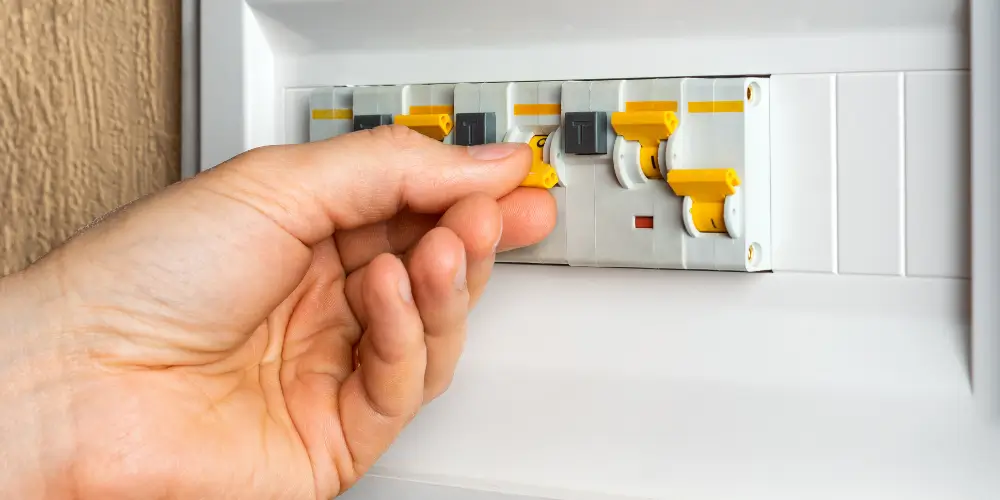
EICRs assess the safety and condition of electrical installations, identify possible danger, and ensure that systems meet established safety standards. Regular inspections help detect issues before they escalate, greatly reducing the risk of electrical fires and shocks. RCDs, on the other hand, are critical safety devices that disconnect the electrical circuit when they detect an imbalance in electrical flow. This rapid response can prevent severe injuries or fatalities resulting from electric shock.
Together, EICR and RCD compliance promote a proactive method to electrical safety, safeguarding both tenants and property. By adhering to these regulations, landlords not only fulfill their legal obligations but also increase the overall safety and reliability of their rental properties, fostering trust and peace of mind among tenants.
What Landlords Need to Know About EICR and RCD Code Compliance
Landlords must remain informed about the requirements surrounding Electrical Installation Condition Reports (EICR) and Residual Current Device (RCD) compliance to maintain safe rental properties.
Understanding these regulations is essential for both tenant safety and legal adherence.
Here are four key points landlords should consider:
- EICR Frequency: An EICR must be conducted at least every five years or at the change of occupancy.
- RCD Installation: Properties should have RCDs installed to protect against electric shocks and faults.
- Documentation: Landlords must retain copies of EICRs and RCD test results to demonstrate compliance during inspections.
- Non-compliance Consequences: Failing to adhere to EICR and RCD regulations can result in legal penalties, fines, or unsafe living conditions.
Frequently Asked Questions
How Often Should I Renew the EICR for My Rental Properties?
EICRs should be renewed every five years for rental properties, or sooner if significant electrical work is carried out or a change of tenancy occurs. Regular inspections guarantee safety and compliance with legal requirements.
Are There Penalties for Late EICR or RCD Code Compliance?
Yes, there are penalties for late EICR or RCD code compliance. Landlords may face fines, legal action, or difficulties securing new tenants as safety regulations are enforced to protect both tenants and property.
Can Tenants Request a Copy of the EICR Report?
Tenants can indeed request a copy of the Electrical Installation Condition Report (EICR) from their landlords. This right guarantees transparency regarding electrical safety and compliance within their rented properties, promoting a safer living environment.
What Qualifications Should My Electrician Have for EICR Inspections?
An electrician conducting EICR inspections should hold relevant qualifications, such as being a qualified electrician with a Level 3 electrical installation certification or a similar accreditation, to ensure compliance with safety standards and regulations.
How Can I Prepare My Property for an EICR Inspection?
To prepare a property for an EICR inspection, guarantee all electrical installations are accessible, address any visible damage, organize relevant documentation, and consider scheduling repairs for any known issues to facilitate thorough evaluation.
Conclusion
In summary, landlords must prioritize EICR and RCD code compliance to ensure tenant safety and compliance with legal standards. Regular inspections and proper installation are essential for mitigating electrical danger and fostering a safe living environment. By understanding the possible risks and legal ramifications of failing to meet these requirements, landlords can protect both their tenants and their properties. Ultimately, commitment to EICR and RCD compliance not only increases safety but also strengthens landlord-tenant relationships.