Domestic Gas Safety Certificate
Starting from £50
- All Prices are updated on March 21, 2026
Pricing Plan
Gas Safety Certificate (CP-12) Pricing
What is a Gas Safety Certificate?
A Domestic Gas Safety Certificate (CP12) is the official document confirming that the gas appliances, pipework and flues in a rented home are safe to use and meet current standards. A Gas Safe registered engineer carries out the inspection, records test results, notes any defects with clear actions, and then issues the CP12. The certificate forms part of the landlord’s legal duty of care and must be renewed every 12 months. Below we explain why landlords need it and what’s covered.
Why landlords need one in the UK?
Landlords are legally responsible for keeping gas installations safe in rented properties. A current CP12 proves that a competent Gas Safe engineer has checked the system and that you’re meeting your obligations to tenants and regulators.
- Landlord Responsibilities
You must ensure gas appliances, pipework and flues are safe, maintained and inspected annually. Failure can lead to fines and prosecution. A CP12 evidences your duty of care and protects your position with agents and insurers. - Tenant Safety
The certificate confirms that equipment meets national safety standards—reducing risks from gas leaks, fire and carbon monoxide. It’s a practical way to keep occupants safe and informed. - Compliance Benefits
Staying compliant avoids penalties, builds trust with tenants and reduces emergency breakdowns. Regular servicing alongside the CP12 helps appliances run efficiently and lowers long-term costs.
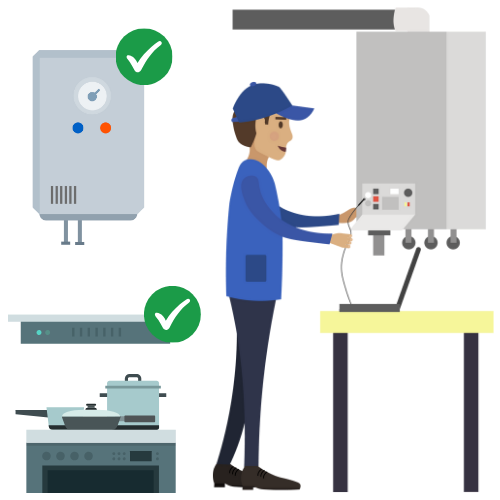
What's included in the CP12 Certificate?
Yes. CP12 and Gas Safety Certificate are the same thing—the trade uses CP12 as shorthand for the annual landlord gas safety record.
CP12 Definition: Document issued by a Gas Safe engineer after an annual gas safety check.
Landlord Responsibilities: Arrange checks every 12 months and keep records. Provide tenants with a copy.
Compliance Consequences: Missing or expired certificates can lead to fines, prosecution, invalidated insurance and enforcement action.
How do you get a gas safety certificate in the UK?
Landlords must appoint a Gas Safe registered engineer to obtain a Gas Safety Certificate in the UK. This ensures the inspection is carried out by a qualified professional authorised to assess the safety of gas appliances and installations. We’ll walk you through the step-by-step process to help you stay compliant and keep your rental properties safe.
Step-by-step process for landlords
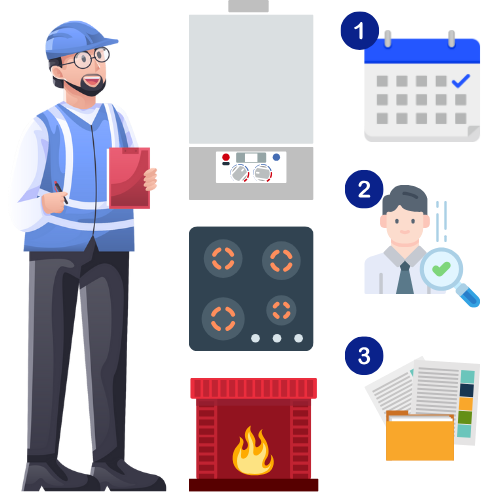
Booking is simple: appoint a Gas Safe registered engineer to inspect each gas appliance, the meter/pipework and flues/ventilation. After the checks, you’ll receive a CP12 listing results, defects and any actions required.
- Schedule Regular Inspections
Book an annual gas safety check to keep appliances, pipework and flues compliant. Avoid gaps between certificates.
- Document Tenant Responsibilities
Tell tenants how to report gas issues and what to do if they smell gas or suspect carbon monoxide (open windows, shut off supply if safe, evacuate, call the emergency number).
- Maintain Detailed Records
Keep CP12s for at least 2 years and provide the new certificate to existing tenants within 28 days (or to new tenants at move-in). Store digital copies with your property file.
Choosing a registered Gas Safe engineer
Choosing a Gas Safe registered engineer is essential to ensure your gas safety inspection is carried out correctly. Gas Safe registration confirms that the engineer holds current qualifications and complies with strict safety regulations. Selecting a certified professional with a strong understanding of your property’s systems is vital for both compliance and safety.
When considering potential engineers, always verify their Gas Safe registration. This legal requirement demonstrates that they have passed rigorous assessments and are authorised to carry out inspections safely and effectively.
It is also important to review the engineer’s qualifications and areas of expertise — for example, whether they specialise in domestic or commercial gas systems — to ensure they suit your needs. Asking about their experience with similar properties and knowledge of the latest safety protocols can provide further reassurance.
In addition, many engineers offer valuable maintenance advice and inspection schedules, helping landlords and property managers prevent issues before they become major problems. Following this guidance supports compliance and strengthens overall safety standards.
Ultimately, appointing the right Gas Safe registered engineer is not just a legal requirement but a crucial step in safeguarding both your property and its occupants.
The Importance of Domestic Gas Safety Certificate
Gas makes homes comfortable and efficient, but faults can cause leaks, CO poisoning, fire or explosion. Regular checks by Gas Safe engineers prevent incidents, keep systems efficient and reassure tenants.
✅ Prevent dangerous leaks and carbon monoxide incidents
✅ Protect families, tenants and property
✅ Meet landlord legal duties and insurance expectations
✅ Reduce emergency call-outs and repair costs
Safety
Assurance
LegalCompliance
Peace ofMind
PreventativeMaintenance
Is it a legal requirement to have a Gas Safe certificate?
Yes. In the UK, landlords must obtain a current Domestic Gas Safety Certificate (CP12) every 12 months. Not having one can result in heavy fines and even prosecution. The law exists to protect tenants and ensure gas systems are maintained safely.
Gas safety law and tenant protection
Confirming compliance with gas safety laws is vital for tenant protection, particularly regarding the legal necessity of obtaining a Gas Safe certificate. As tenants, it's important to understand your rights and your landlord's obligations under these regulations. We'll explore key aspects that safeguard tenant safety and guarantee legal compliance:
- Tenant Rights and Awareness:
Tenants must receive a copy of the current Gas Safe certificate within 28 days of the inspection. This ensures their awareness of any potential hazards and reassures them of the safety of their living environment. - Landlord Responsibilities:
Landlords must legally arrange annual safety checks on all gas appliances and flues by a registered Gas Safe engineer. This obligation is not a formal requirement but a significant measure to prevent gas-related incidents. - Safety Compliance Monitoring:
Continuous monitoring and maintenance of gas installations and appliances are mandated. Tenants should report any suspected gas safety issues immediately, and landlords must respond promptly to these concerns, reinforcing safety compliance.
Penalties for non-compliance
Understanding tenant rights and landlord responsibilities sets the stage for addressing the consequences of non-compliance with gas safety regulations. We must grasp the severity of penalties explained within this framework to guarantee adherence and avoid legal consequences.
Failure to comply with the requirement to maintain a valid Gas Safe certificate can lead to severe enforcement actions. These range from substantial financial penalties to potential criminal charges, depending on the gravity of the oversight or negligence. For instance, landlords may face fines up to £6,000 per offence. In cases where tenant safety is jeopardised, imprisonment could be a reality.
Furthermore, non-compliance exposes landlords to significant compliance risks, including the invalidation of property insurance. This risk note affects financial stability and calculates the ability to respond to a gas-related incident. Landlords must understand that these legal stipulations are not mere formalities but essential measures to safeguard tenant welfare and investment.
Guaranteeing compliance involves regular inspections, immediate repairs by certified professionals, and timely renewals of the Gas Safe certificate. We're committed to complying with these regulations and prioritising safety and legal integrity in property management.
How much does a gas safety certificate cost in the UK?
Typical CP12 costs vary by region, provider and the number of appliances. Expect smaller properties with one appliance to be at the lower end, with additional appliances increasing the fee. Your set pricing keeps budgeting simple; combined Boiler Service + CP12 deals (like yours) offer the best value.
Appliance count & types
(boiler, cooker, gas fire, water heater)
Access/complexity
(flues, ventilation, location)
Region & Availability
(engineer demand, travel)
Certification Requirements
More complex systems require longer checks.
Inspection Frequency
Annual CP12 is mandatory; adding annual servicing can reduce breakdowns and overall spend.
Regional Pricing
Urban areas can be higher due to demand; out-of-hours visits may add a premium.
What Does a Gas Safety Check Involve?
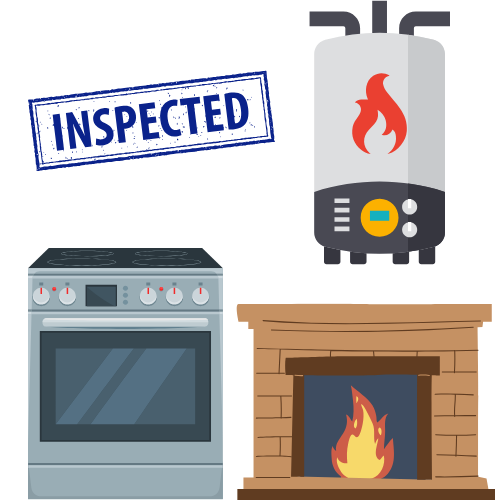
A proper safety check goes beyond a quick look. We test that appliances are installed correctly, burn gas safely, vent products of combustion properly and that the pipework is sound. We also verify ventilation, clearances and safety devices.
- Boilers & Central Heating
We verify safe ignition, combustion, flue integrity and correct operating pressures. Controls and safety devices are tested and manufacturer instructions followed. - Cookers & Ovens
We check secure connections, flame stability and adequate ventilation to prevent gas leaks or CO build-up. - Fireplaces & Gas Fires
We assess installation, flue draw and spillage. Poor flue performance is flagged with clear remedial advice.
Inspection frequency is aligned with both legal requirements and manufacturer guidelines, ensuring your property remains safe, compliant, and efficient. Regular checks are your best defence against potential gas-related hazards.

How Long is a Gas Safety Certificate Valid For?
Landlords are legally required to renew their Domestic Gas Safety Certificate every 12 months. This annual renewal is vital not only for compliance but also to ensure the ongoing safety and protection of tenants. The 12-month cycle aligns with standard inspection practices and represents a core responsibility for all landlords. To manage this process effectively, landlords should:
Set Up Renewal Reminders
Use digital tools or calendar reminders to alert you ahead of renewal dates. Staying ahead of deadlines prevents lapses and maintains continuous compliance.
Schedule Regular Inspections
Arrange an annual inspection with a Gas Safe registered engineer. This meets legal requirements and reassures tenants about their safety, supporting a trustworthy landlord–tenant relationship.
Maintain Compliance Records
Keep meticulous records of all safety inspections and certificate renewals. Store CP12s and repairs neatly; give tenants their copy on time.
Frequently Asked Questions
Gas Safety Certificate FAQs