Asbestos Management Survey

Starting from £239.99

Asbestos Management

Survey Report

£ 239.99
  • HSE Approved Contractor
  • Accordance with ISO17020
  • Professional Building Surveyors
  • 10 Years Experience
Asbestos Management Survey

Asbestos Management Surveys for Safe, Compliant Properties

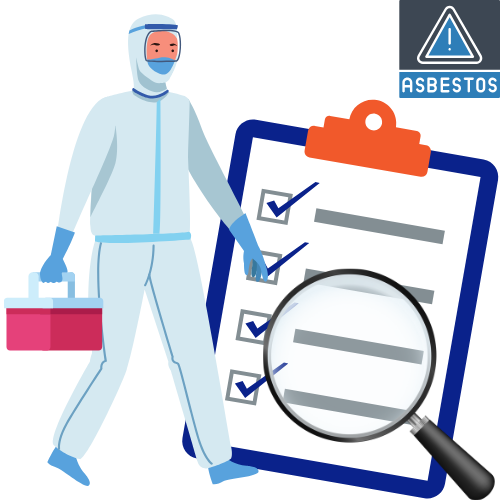
At Landlord Certifications, we carry out Asbestos Management Surveys to locate and assess suspected asbestos-containing materials (ACMs) in line with HSE guidance HSG264 and the Control of Asbestos Regulations 2012.

We examine typical risk areas,  insulation, floor coverings, textured coatings, service risers, roof voids and HVAC systems, and take representative samples where required.

Each finding is scored for condition, likelihood of disturbance and potential exposure to produce a clear risk evaluation. Your report includes:

  • ACM register

  • Photographs & marked locations

  • UKAS lab results

  • Material & priority ratings

  • Clear management actions (labelling, encapsulation, minor repair or controlled removal)

This evidence-based approach helps you meet your duty to manage and protect health.

What Is Asbestos & Why It’s Dangerous

Asbestos is a group of naturally occurring fibrous silicate minerals. For much of the 20th century it was widely used in buildings and manufactured products because its fibres are strong and resistant to heat, fire, chemicals and electricity, offering effective insulation. It even appeared in certain textiles and filtration products. However, when asbestos-containing materials are disturbed they can release respirable fibres that pose serious health risks, making proper identification and management essential.

Exposure to asbestos fibres is now conclusively linked to serious diseases, including mesothelioma and lung cancer, and can also cause asbestosis and other pleural conditions, there is no safe level of exposure. Although asbestos occurs naturally and was historically mined, in the UK it is most often encountered in older buildings, especially those constructed before the 1999 ban, where it may be present in insulation, floor tiles, cement products, textured coatings and pipe lagging.

What does an asbestos management survey include?

A management survey systematically identifies materials likely to contain asbestos across the property. Suspect items are sampled and analysed by accredited laboratories to confirm type, condition and fibre-release potential. Findings inform proportionate controls,  labelling, encapsulation, repair or controlled removal, to manage risk and minimise exposure, while keeping the building safely in use.

Asbestos
Survey

Sample
Evaluation

Lab
Report

Survey
Report

Legal Requirements for Asbestos Surveys (Residential & Commercial)

Under the Control of Asbestos Regulations 2012, the legal duty to manage asbestos applies to the owners, landlords, managing agents and responsible persons of non-domestic premises and the common parts of multi-occupied residential buildings such as communal stairs, corridors, lobbies, plant rooms and risers. Private single-family homes are usually not covered, however shared housing, rental properties and buildings with communal areas are within scope.

Duty holders must identify and record any asbestos containing materials (ACMs), arrange appropriate surveys, keep an asbestos register, assess the risk level, create and maintain a management plan, and ensure that contractors and anyone likely to disturb ACMs are properly informed. Records must also be reviewed and kept up to date to ensure asbestos risks are safely controlled at all times.

Areas & Materials We Inspect

An asbestos management survey systematically examines multiple areas and materials within a building to identify any presence of asbestos. Here’s what we typically inspect:

  • Structural components: beams, columns, soffits, ceiling/partition panels

  • Insulation materials: pipe lagging, thermal/boiler insulation, sprayed coatings

  • Flooring & ceiling tiles: vinyl tiles, bitumen adhesives, textured coatings (Artex)

  • HVAC systems: duct linings, gaskets, rope seals, flues

  • Roof voids & service risers: boarding, cement sheets, panels, debris.

All work follows HSG264 survey methodology and ISO 17020 quality processes. Our surveys, sampling procedures and reporting standards are consistently audited to ensure full compliance, accuracy and traceability.

Asbestos Management Survey

Sampling and Risk Assessment

Sampling is integral to an asbestos management survey because it confirms the presence of asbestos-containing materials (ACMs) with certainty. We use rigorous sampling techniques and follow established safety protocols to minimise exposure. Each sample is analysed in accredited laboratories to determine the asbestos type and concentration.

This systematic approach underpins a robust risk assessment. We evaluate the condition of ACMs, their accessibility and the likelihood of fibre release. The results guide our management strategies, prioritising areas where risk is higher due to deterioration or frequent human activity.

Our procedures align with strict regulatory requirements to protect both people and property. By combining advanced analytical methods with up-to-date safety standards, we identify hazards and plan effective containment or removal.

Through this meticulous process, we ensure asbestos risks are properly managed, supporting long-term safety and reducing the health impacts associated with exposure. This level of precision reflects our commitment to delivering thorough, reliable asbestos management surveys.

Our Asbestos Survey Process

Visual
Inspection

A systematic walk-through identifies suspected asbestos-containing materials in accessible areas. Surveyors precisely record locations, condition, and likelihood of disturbance, using photographs and notes to build an initial risk profile that informs safe sampling and immediate precautionary controls.

Sampling and Laboratory Analysis

Representative samples are taken under controlled procedures to minimise fibre release. UKAS-accredited laboratories determine asbestos type and presence. Results are combined with site observations to validate findings and refine risk ratings for proportionate management and remediation actions.

Review of
Building Plans

Historical drawings, O&M manuals and refurbishment records are examined to trace materials and works. This desktop review helps target concealed zones, accurately confirm service routes, and reduce intrusive investigation, improving accuracy while limiting unnecessary disruption on site.

Ongoing Monitoring and Reassessment

An action plan sets inspection intervals, labelling, and condition checks for known ACMs. Changes in use, maintenance, or deterioration trigger reassessment, ensuring controls remain effective and compliant, and that records stay current for dutyholders, agents, and insurers.

Do I need an asbestos management plan?

If you manage or are responsible for non domestic premises, an asbestos management plan isn’t just recommended, it’s a legal requirement. This plan ensures occupants and workers are protected from the risks of asbestos exposure.

Required for non-domestic buildings

Asbestos, a hazardous material found in many older buildings, requires a rigorous management plan in non-domestic structures to comply with safety regulations. We must guarantee that our approach is compliant and effectively mitigates the risks associated with asbestos exposure. Here's how we tackle this vital issue:
Hazard Identification: We first conduct thorough surveys and assessments to identify the presence and condition of asbestos-containing materials (ACMS). This step is essential for determining the scope of management needed.
Risk Management: Based on the findings, we develop and implement a management plan outlining handling and control ACMS safely. This includes determining risk levels and deciding on abatement or encapsulation strategies.
Compliance Training: We provide extensive training for all personnel involved in asbestos management. This guarantees everyone understands the asbestos regulations, maintains building safety, and executes the management plan effectively.
Continual Review and Monitoring: Because ACMS's condition can change, we monitor them continuously and review the management plan regularly. This dynamic approach helps us adapt to new findings or deteriorations in the material's condition.

Keeps occupants and workers safe

Through rigorous asbestos management plans, we comply with legal requirements and protect the health and safety of everyone who occupies or works in these buildings
Implementing thorough asbestos safety protocols is pivotal. Our approach includes regular audits and updates to guarantee alignment with the latest regulatory compliance updates. We've established detailed worker training programs that equip our team with knowledge and practical skills to safely handle asbestos-containing materials (ACMS).
These training sessions are critical, as they prevent health hazards and guarantee that our interventions are carried out with utmost precision and care.
Furthermore, our emergency response planning is designed to address unforeseen asbestos-related incidents efficiently. We dramatically reduce potential health risks by preparing our staff to respond swiftly and effectively.
Our building maintenance strategies are meticulously crafted. They integrate asbestos management into routine procedures, guaranteeing that ACMS integrity is maintained and any deterioration is addressed promptly. This systematic maintenance is essential for preventing asbestos fibres from becoming airborne and maintaining a safe environment.

What are the first signs of asbestos exposure?

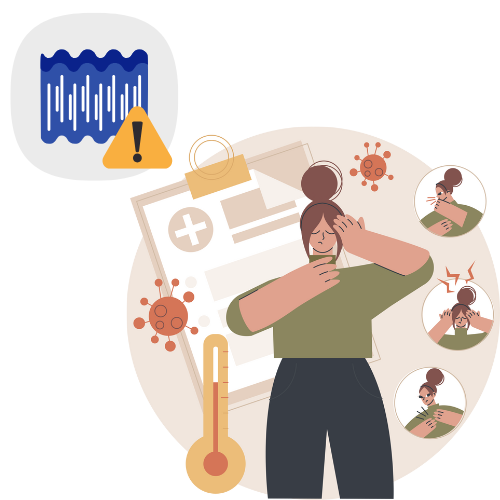
When assessing the early signs of asbestos exposure, it’s important to recognise that symptoms often seem minor, such as a persistent cough or subtle changes in breathing. As exposure continues, these seemingly mild signs can escalate, resulting in more serious respiratory problems. Prolonged contact with asbestos fibres greatly increases the risk of asbestosis, lung cancer and mesothelioma, underscoring the need for early detection and intervention.

Early symptoms may appear mild

Initial symptoms of asbestos exposure often emerge subtly, making them easy to miss. Understanding these early signs is crucial for timely intervention. The first indicators are typically respiratory, resulting from the inhalation of asbestos fibres, and may have a delayed onset.

Key symptoms include:

  1. Persistent cough: A continuous, dry cough that does not resolve over weeks may indicate irritation caused by asbestos fibres in lung tissue.

  2. Shortness of breath: Difficulty breathing during activity, or even at rest, can occur as fibres impair lung function, reducing elasticity and capacity.

  3. Chest tightness or pain: Inflammation of the lungs and pleural lining can cause discomfort and a feeling of tightness in the chest.

  4. Wheezing: Unusual breathing sounds may reflect airway inflammation or blockages associated with fibre deposits.

These symptoms can be subtle and easily mistaken for less serious conditions. However, if they persist, they may indicate early asbestos exposure and warrant further medical evaluation and environmental assessment.

Prolonged exposure can lead to serious illness.

As long-term asbestos exposure continues, the likelihood of developing serious illness increases markedly. Understanding the progression from early symptoms to chronic disease is essential. Initial signs often include persistent respiratory issues, such as coughing and shortness of breath, that can escalate into more severe health effects.

The danger from asbestos is cumulative rather than immediate, damaging lung tissue and leading to conditions such as asbestosis, lung cancer and mesothelioma. These diseases may not appear until decades after initial exposure, a latency that complicates diagnosis and treatment and underscores the importance of early detection and prevention.

Comprehensive asbestos management plans are vital. These should include regular air-quality monitoring in at-risk environments and strict adherence to removal and control protocols to minimise further exposure. Awareness and training programmes help individuals recognise hazards and avoid contaminated areas.

The legal implications are significant. Employers and building owners are responsible for ensuring that safety standards are met; failure to comply can result in severe penalties and litigation, given that the health effects of asbestos are well documented and recognised in regulations worldwide.

How frequently should an asbestos management survey be conducted?

Determining how often to carry out asbestos management surveys depends on several factors, including a building’s age and how it is used.

  • As a significant proportion of UK homes built before 2000 may contain asbestos, it is important to assess whether a survey is warranted for your property.
  • Regular surveys support regulatory compliance and help ensure ongoing protection of occupants from exposure risks.
  • Outdated wiring, for instance, may not cope with the demands of modern appliances, leading to overheating and potential fires. Inadequate circuit protection likewise fails to guard against electric shock and fire, posing serious risks to occupants.
  • A further frequent issue is insufficient earthing and bonding. This is particularly concerning because it compromises the safety of the entire electrical installation, increasing the likelihood of electric shock. All metallic parts presumed to be non-live must be properly earthed.
  • We also encounter many DIY modifications that breach regulatory standards. These often involve improper junctions and the use of non-compliant materials that not only contravene regulations but also create multiple safety risks.
  • Such faults require detailed inspection and rectification to meet the stringent requirements set by current electrical codes and standards.

What proportion of UK homes contain asbestos?

Many UK homes,  particularly those built before 2000, are likely to contain asbestos. Estimates suggest that around 50% of properties include some form of asbestos, especially in buildings erected between the 1950s and 1980s. Its widespread use stems from its popularity as a building material, valued for insulation and fire resistance.

Understanding this prevalence is vital for effective health risk assessments and homeowner awareness. When disturbed, asbestos poses significant health risks, including asbestosis and mesothelioma, necessitating careful management and, in some cases, removal.

The presence of asbestos can also affect property values. Homes known to contain asbestos often attract lower valuations or require financial adjustments to reflect potential remediation costs.

Incorporating historical building-materials data into current property assessments helps protect public health and economic interests. This approach supports comprehensive management strategies and ensures that potential risks are appropriately mitigated.

Frequently Asked Questions

Asbestos Management Survey FAQs

It identifies and evaluates asbestos-containing materials (ACMs) in buildings. Required for properties built before 2000, it supports safe asbestos management and ensures compliance with UK regulations.

For non-domestic premises and the common parts of domestic buildings, yes - under the Control of Asbestos Regulations 2012. Single private dwellings are not usually covered, but contractors should still presume asbestos in pre-2000 homes.

Individual, non-shared homes aren’t typically required to have one. However, landlords and managing agents must manage asbestos risks in the common areas of flats and HMOs.

A management survey is mainly visual with limited sampling and is suitable for day-to-day occupation. An R&D survey is intrusive and legally required before refurbishment or demolition works in affected areas.

The person or organisation in control of the premises - often the owner, landlord, managing agent or facilities manager - must identify, manage and communicate asbestos risks.

Complete a management survey to create the register, then review the management plan at least annually and re-inspect known ACMs at agreed intervals (commonly every 6–12 months, or sooner if conditions change).

Yes, representative samples are collected under controlled procedures and analysed by UKAS-accredited laboratories to confirm asbestos type and presence.

Generally no. Management surveys are designed for occupied buildings; small areas may be isolated temporarily to allow safe sampling.

Small sites can be inspected in a few hours, with reports issued after lab results. Larger or complex premises may take longer to survey and report.

The report will assign risk ratings and recommend proportionate actions: manage and monitor, label, encapsulate, repair or arrange licensed removal where necessary.

Costs vary by building size, complexity, number of samples and location. Obtain a fixed-scope quote that includes survey, sampling, UKAS analysis and a compliant report.

You’ll get an asbestos register, location plans, lab certificates, photographs, risk assessments and a management plan with clear responsibilities and re-inspection intervals.

Risk is lower due to the 1999 ban, but verification may still be prudent, especially if the building’s materials or history are uncertain or if intrusive works are planned.

A competent asbestos surveyor following HSG264 guidance is required; using organisations with UKAS accreditation is widely recognised as best practice.

Online Booking