Effective fire procedures in the workplace are a fundamental aspect of workplace safety. They establish protocols that protect employees and property during emergencies. A well-structured plan outlines evacuation routes and assigns responsibilities. Regular training sessions guarantee that everyone knows their role. However, many organisations overlook key elements that could increase their fire safety strategy. Understanding these components is essential for compliance and protection. The next steps in developing a thorough method may surprise you.
Key Takeaways
- Establish clear fire procedures, including designated responsibilities and evacuation routes, to ensure swift responses during emergencies.
- Conduct regular fire risk assessments to identify danger and implement necessary preventive measures for workplace safety.
- Provide employee training on fire safety protocols, including evacuation plans and the proper use of fire extinguishers.
- Appoint fire wardens to coordinate evacuations, communicate with emergency services, and educate staff about fire risks and safety measures.
- Maintain compliance with fire safety regulations through regular inspections, documented training, and safety audits to foster a tradition of safety.
Table of Contents
The Role of Fire Procedures in Ensuring Workplace Safety
Although fire emergencies can occur unexpectedly, well-defined fire procedures in the workplace play a key role in ensuring workplace safety. These procedures provide a structured response framework that guides employees through potential fire situations. By establishing clear evacuation routes, assembly points, and communication protocols, organisations minimise confusion and panic during emergencies.
Regular training sessions reinforce employees’ understanding of these procedures and encourage a tradition of preparedness. Additionally, proper signage and accessible fire extinguishers increase an organisation’s ability to respond swiftly.
Integrating fire drills into the workplace routine helps employees practice their responses, ensuring they can act decisively if a fire occurs. This response not only mitigates risks but also empowers employees by instilling confidence in their ability to navigate emergency scenarios.
Ultimately, thorough fire procedures are essential for safeguarding lives and property, establishing a secure environment for all personnel.
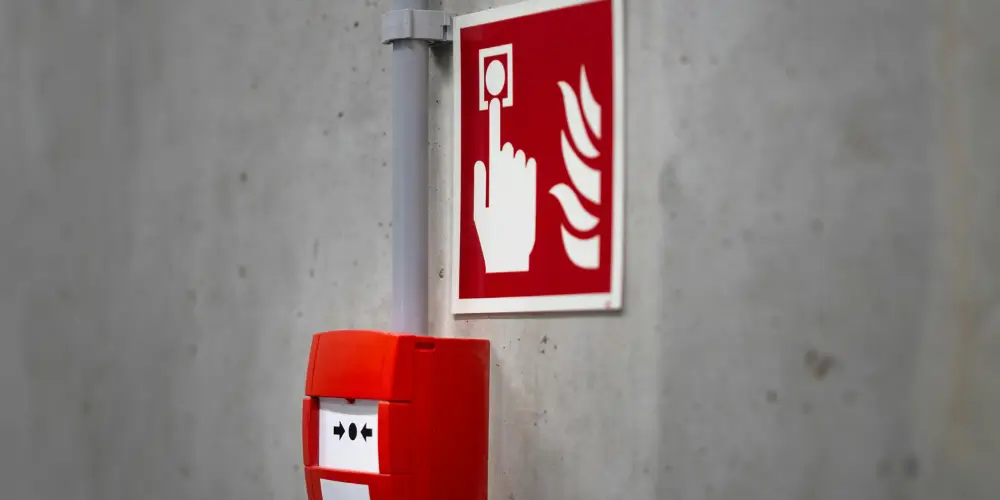
How Fire Procedures in the Workplace Protect Employees and Property
When fire procedures are effectively implemented in the workplace, they serve as a crucial safeguard for both employees and property. These procedures establish clear guidelines for responding to fire emergencies, ensuring that employees are aware of evacuation routes, assembly points, and emergency contacts.
By providing thorough training, organisations empower their workforce to react swiftly and calmly during a crisis, greatly reducing the risk of injury.
Moreover, the presence of fire safety equipment, such as extinguishers and alarms, protects property by minimising latent damage. Regular maintenance and inspections further increase the effectiveness of these measures, ensuring that safety equipment functions correctly when needed.
Compliance with fire safety regulations not only promotes a safer workplace but also mitigates financial losses from property damage.
Ultimately, well-defined fire procedures contribute to a tradition of safety, reassuring employees and safeguarding organisational assets in the event of a fire.
Creating an Effective Fire Safety Plan for Your Workplace
An effective fire safety plan is fundamental for ensuring workplace safety and preparedness. This plan should clearly outline the procedures for preventing, responding to, and recovering from a fire incident.
It is essential to designate specific responsibilities to employees, ensuring that everyone knows their role during an emergency. Training sessions should be conducted regularly to familiarise staff with fire exits, alarms, and extinguishing equipment.
Additionally, the plan must include detailed evacuation routes and assembly points, which should be visibly posted throughout the workplace. Regular drills will reinforce these procedures and help identify any areas for improvement.
Moreover, the fire safety plan should be reviewed and updated periodically to ensure compliance with relevant regulations and adapt to any changes in the workplace environment.
Fire Risk Assessment: The First Step in Fire Procedures for the Workplace
A thorough fire risk assessment serves as the foundation for effective workplace fire procedures. This process involves identifying latent fire danger, evaluating the associated risks, and determining the necessary precautions to mitigate them.
By examining factors such as workplace layout, the presence of flammable materials, and the adequacy of fire detection and suppression systems, organisations can pinpoint vulnerabilities that may lead to fire incidents.
Additionally, the assessment should involve considering the number of employees, their roles, and any specific needs that may affect evacuation procedures.
Regularly reviewing and updating the fire risk assessment is essential, as changes in operations or the introduction of new equipment can alter fire risk levels.
Ultimately, a thorough fire risk assessment not only increases safety but also guarantees compliance with legal requirements, encourages a tradition of preparedness and awareness within the organisation.
Training Employees on Fire Procedures: Key to a Safe Workplace
Effective fire procedures must extend beyond risk assessments to include thorough employee training. This training guarantees that all staff members are well-prepared to respond appropriately in the event of a fire.
A detailed training program should encompass several key components, including:
- Fire Evacuation Plans: Employees should be familiar with escape routes and emergency exits.
- Use of Fire Extinguishers: Training should cover how to properly use fire extinguishers and identify the correct type for different fire classes.
- Emergency Communication Protocols: Employees must understand how to report a fire and communicate effectively during evacuations.
Understanding the Role of Fire Wardens in Workplace Fire Procedures
Fire wardens play an essential role in maintaining workplace safety during emergencies. They are responsible for implementing fire safety protocols and ensuring that all employees are aware of evacuation procedures.
Trained to act decisively, fire wardens conduct regular fire drills, educate staff about fire risks, and familiarise everyone with escape routes and assembly points.
In the event of a fire, fire wardens take the lead in managing the situation, coordinating the evacuation process, and accounting for personnel. They also serve as the primary point of communication with emergency services, providing key information about the situation.
Moreover, fire wardens participate in ongoing training to stay up to date on safety regulations and emergency response techniques. Their proactive engagement helps cultivate a tradition of safety and preparedness, which is crucial for minimising risks and ensuring a swift, organised response during workplace fire emergencies.
Fire Procedures in the Workplace: From Prevention to Emergency Response
Workplace fire procedures encompass a thorough method that spans from prevention strategies to emergency response measures.
Effective fire procedures aim to minimise the risk of fire and ensure a swift, organised response in the event of an emergency.
Key components of these procedures include:
- Fire Risk Assessment: Regular evaluations identify latent risk, guaranteeing proactive measures are in place.
- Employee Training: Extensive training sessions equip staff with essential knowledge about fire safety protocols and the use of fire extinguishers.
- Clear Evacuation Routes: Clearly marked, unobstructed pathways are crucial for safe, efficient evacuation during a fire emergency.
How to Conduct Fire Drills Effectively in the Workplace
Regularly conducting fire drills is essential to ensuring that employees are familiar with evacuation procedures and can respond swiftly in the event of an actual emergency. To conduct effective fire drills, organisations should follow a structured method that emphasises clear communication and systematic evaluation.
| Step | Action | Purpose |
| 1 | Schedule the drill | Guarantees that all employees are aware of the event |
| 2 | Notify relevant personnel | Facilitates coordination during the drill |
| 3 | Execute the evacuation plan | Tests the effectiveness of the procedures |
| 4 | Observe employee behaviour | Identifies latent areas for improvement |
| 5 | Review and debrief | Reinforces learning and updates procedures |

Fire Safety Equipment and Its Role in Workplace Fire Procedures
Effective fire safety equipment is essential for safeguarding employees and minimising damage during a fire emergency. This equipment not only supports immediate fire response but also plays a key role in overall workplace safety protocols.
Understanding the types of fire safety equipment available can greatly increase preparedness.
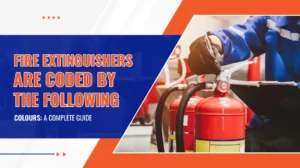
- Fire extinguishers: Portable devices designed to suppress small fires before they escalate.
- Smoke detectors: Early warning systems that alert occupants to the presence of smoke, facilitating quick evacuation.
- Fire blankets: Useful for smothering flames on clothing or small fires, providing an immediate means of control.
Compliance with Fire Safety Regulations: A Guide for Workplace Procedures
Although compliance with fire safety regulations is often seen as a legal obligation, it is fundamentally crucial to ensuring employee safety and the integrity of the workplace. Organisations must familiarise themselves with local, national, and industry-specific fire safety laws to develop effective procedures. This includes conducting regular risk assessments to identify latent fire danger and implementing appropriate preventive measures.
Training employees on fire safety protocols is key; they should be aware of evacuation routes, alarm systems, and the proper use of fire extinguishers. Additionally, regular drills should be conducted to guarantee that everyone can respond efficiently in an emergency.
Documentation is also essential; maintaining records of inspections, training sessions, and safety audits can help demonstrate compliance during regulatory reviews.
Frequently Asked Questions
What Should I Do if I Discover a Fire Before Evacuation?
Upon discovering a fire, one should immediately activate the fire alarm, attempt to extinguish the fire if safe, and notify others. Prioritise personal safety and follow evacuation protocols once the situation escalates.
How Often Should Fire Drills Be Conducted in the Workplace?
Fire drills should be conducted at least twice a year in the workplace to guarantee employees are familiar with emergency procedures. Regular practice increase preparedness, reduces panic, and promotes a tradition of safety among staff.
What Types of Fire Extinguishers Are Needed for Different Workplace Hazards?
Different workplace dangers require specific fire extinguishers: Class A for ordinary combustibles, Class B for flammable liquids, Class C for electrical fires, Class D for combustible metals, and Class K for kitchen grease fires. Proper selection is essential.
Are There Specific Fire Safety Regulations for Different Industries?
Yes, specific fire safety regulations vary among industries. Each sector, such as healthcare or manufacturing, must adhere to tailored guidelines that address unique risks, ensuring compliance and minimising risks associated with workplace fire incidents.
What Should I Include in a Fire Safety Notice for Employees?
A fire safety notice for employees should include emergency exit routes, assembly points, locations of fire extinguishers, evacuation procedures, contact information for fire wardens, and instructions for promptly and safely reporting fire danger or incidents.
Conclusion
To sum up, implementing essential fire procedures in the workplace is crucial for ensuring both employee safety and regulatory compliance. A well-structured fire safety plan, combined with regular training and risk assessments, equips organisations to effectively respond to emergencies. By prioritising fire safety equipment and conducting drills, businesses can encourage a tradition of preparedness. Ultimately, these proactive measures not only protect lives but also safeguard property, reinforcing the importance of thorough fire safety strategies in every workplace.