EICR failures in UK properties are a growing concern for both landlords and tenants, with common EICR failures often linked to recurring electrical issues. Common causes include outdated wiring, overloaded circuits, and insufficient safety measures. These issues not only increase safety risks but also lead to potential legal and financial repercussions for landlords. Understanding the root causes and preventive strategies is essential. What steps can property owners take to guarantee compliance and safeguard their investments?
Key Takeaways
- Common causes of EICR failures include outdated wiring, overloaded circuits, and faulty circuit breakers, all of which pose significant safety risks.
- Landlords face legal liabilities, increased insurance costs, and potential fines for failing to comply with electrical safety regulations.
- Lack of proper record-keeping complicates inspections and maintenance, leading to unresolved electrical issues and heightened risks.
- Preventive measures such as regular inspections, system upgrades, and tenant education are essential to ensuring electrical safety and compliance.
- Establishing a safety tradition within properties fosters active reporting and timely resolution of electrical concerns among occupants.
Table of Contents
Electrical Issues That Most Often Cause EICR Reports to Fail
EICR reports often reveal a range of electrical issues that can lead to failure, with common EICR failures frequently identified during inspections. Common problems include outdated or non-compliant wiring systems, which may not meet current safety standards.
Additionally, faulty circuit breakers or inadequate earthing can significantly compromise electrical safety. Overloaded circuits, often caused by improper load management, further contribute to EICR failures by increasing the risk of overheating and potential fire danger.
Moreover, damaged or frayed insulation on wiring can expose conductors, creating serious shock danger. The condition of fixed electrical installations is also scrutinised; corrosion or wear on components can indicate a need for urgent maintenance or replacement.
Finally, the absence of RCD (Residual Current Device) protection in certain areas is another analytical factor that can render a property’s electrical system unsafe. These issues underscore the importance of regular electrical inspections to guarantee compliance and safety.
Hidden Wiring Problems That Trigger Negative Inspection Results
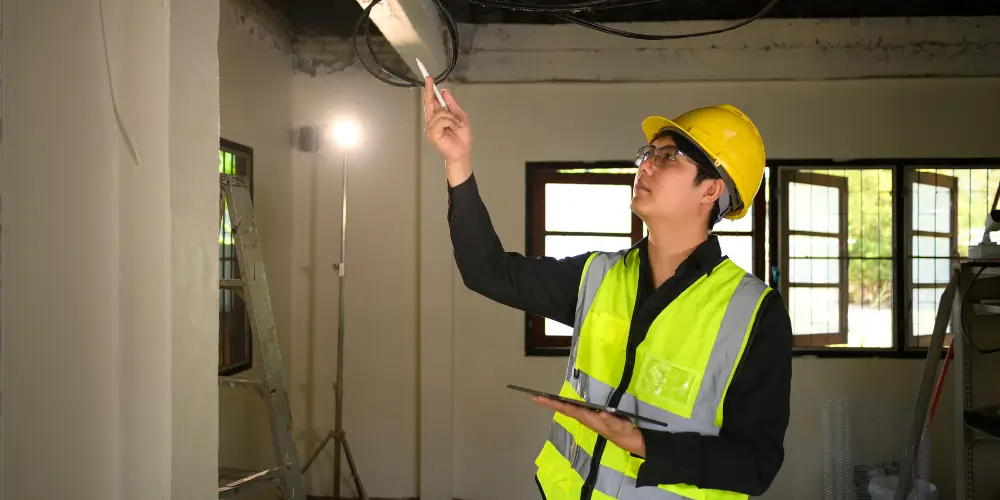
Hidden wiring problems can often lead to negative inspection results because they may go undetected during routine checks and are a frequent cause of common EICR failures. These issues can arise from improper installations, ageing materials, or modifications made without adhering to safety standards.
Common hidden problems include loose connections, damaged insulation, and wires running through damp areas, which can compromise the integrity of the electrical system.
Furthermore, improperly sealed junction boxes can create a conducive environment for moisture, leading to corrosion. Additionally, the use of substandard materials, such as outdated cables, can pose significant risks and contribute to common EICR failures.
Inspectors may miss these issues if they are not immediately visible, ultimately resulting in an unfavourable EICR outcome. Homeowners and property managers should prioritise thorough inspections and consider regular maintenance to identify and rectify potential hidden wiring problems before they escalate into a significant safety risk.
Safety Risks Commonly Uncovered During Electrical Condition Reports
Although routine inspections often reveal a range of safety risks, significant risks can still be uncovered during Electrical Condition Reports (EICRs).
These assessments provide analytic insights into the electrical safety of properties, highlighting potential risks to occupants.
Common safety risks identified during EICRs include:
- Overloaded circuits: Excessive load can cause overheating and potential fires.
- Improperly grounded systems: Insufficient grounding can create shock risk.
- Damaged insulation: Worn or damaged wiring insulation increases the risk of short circuits.
- Faulty circuit breakers: Malfunctioning breakers may fail to trip during overloads, causing further danger.
- Outdated electrical installations: Systems that do not meet current safety standards can pose a hazard.
Being aware of these risks underscores the importance of regular EICRs to guarantee the safety and well-being of property occupants.
Why Older Properties Struggle to Meet Modern EICR Standards
Older properties often struggle to meet modern Electrical Condition Report (EICR) standards due to outdated electrical systems and installations designed without current safety regulations in mind, which are a frequent cause of common EICR failures.
Many older homes feature wiring that does not meet current requirements, posing a potential safety risk. The materials used in older electrical systems, such as aluminium wiring or outdated insulation, may not withstand current electrical loads, increasing the risk of failure and contributing to common EICR failures.
Additionally, older properties may lack essential safety features, such as RCDs (Residual Current Devices) or proper earthing, making them vulnerable to electrical faults.
The layout and design of older electrical systems often do not accommodate modern technology demands, further complicating compliance with EICR standards. As a result, property owners of older buildings must navigate significant challenges to ensure their electrical systems meet current safety standards, which can involve extensive upgrades and renovations.
Faulty Electrical Installations Frequently Flagged by Inspectors
When conducting inspections, faulty electrical installations frequently emerge as significant concerns for inspectors evaluating compliance with EICR standards. These issues can endanger safety and lead to severe consequences if not addressed promptly.
Common faults identified during inspections include:
- Inadequate Earthing: Poor earthing can increase the risk of electrical shock.
- Overloaded Circuits: Excessive load on circuits may cause overheating and fires.
- Damaged Wiring: Frayed or exposed wires can lead to short circuits or electrocution.
- Improperly Installed Fixtures: Incorrectly installed outlets or switches pose safety risks.
- Outdated Equipment: Non-compliance with current regulations may stem from old or obsolete electrical systems.
Addressing these issues is essential to maintaining safety standards in UK properties, enabling landlords and homeowners to mitigate the risks associated with electrical faults and common EICR failures.
Inspection Outcomes That Result in Immediate Safety Classifications
Inspectors conducting EICR evaluations often encounter outcomes that necessitate immediate safety classifications, particularly when severe electrical risks are present, which are frequently linked to common EICR failures. These classifications highlight conditions that pose an imminent danger to individuals or property.
Commonly identified issues include exposed live wires, overloaded circuits, and defective equipment, which can lead to electric shocks, fires, or other accidents.
When such dangers are detected, inspectors typically assign a classification of “Immediate Danger,” prompting urgent remedial action. This classification not only protects occupants but also ensures compliance with safety regulations and addresses common EICR failures.
In addition, identifying these risks often leads to recommendations to disconnect power to affected circuits immediately.
How Electrical Report Failures Impact Landlord Legal Duties
Failure to obtain a satisfactory Electrical Installation Condition Report (EICR) can considerably impact a landlord’s legal responsibilities. A failure in this area not only jeopardises tenant safety but also exposes landlords to significant legal repercussions.
Landlords must understand the implications of EICR failures, which can include:
- Potential fines for non-compliance with electrical safety regulations
- Legal liability for injuries or damages caused by electrical faults
- Increased insurance premiums or denied claims due to inadequate safety measures
- Difficulty in securing future tenants if safety compliance is questioned
- Possible eviction of tenants for failure to provide a safe living environment
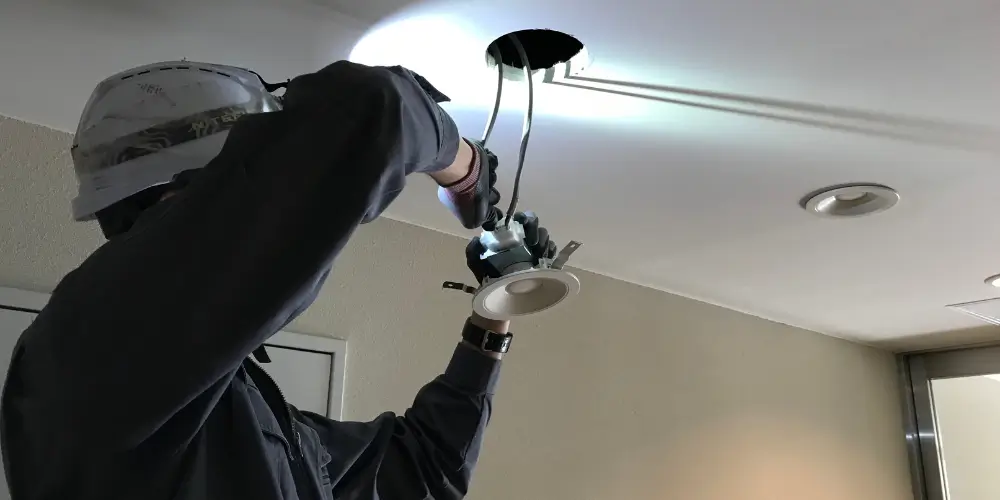
Oversights That Allow Serious Electrical Defects to Go Unnoticed
Even though regular inspections should catch potential danger, various oversights can allow severe electrical defects to remain undetected in UK properties. One significant factor is the lack of thoroughness during Electrical Installation Condition Reports (EICRs), where inspectors may overlook minor issues that can escalate over time.
Inadequate training or experience among inspectors can additionally exacerbate this problem, leading to misidentified risk. Additionally, the pressure to complete inspections quickly can result in superficial examinations, leading to the omission of deeper wiring issues hidden within walls or ceilings.
Property owners may also neglect to address past repair recommendations, allowing existing defects to worsen. Moreover, failure to keep accurate records of previous inspections can create gaps in understanding ongoing electrical problems. These oversights highlight the need for vigilance and extensive evaluations to guarantee electrical systems remain safe and compliant in UK properties.
What Recurring EICR Problems Indicate About System Maintenance
Recurring issues identified in Electrical Installation Condition Reports (EICRs) often signal deeper problems within a property’s electrical maintenance regime.
These persistent failures can indicate a lack of routine checks or inadequate repairs, reflecting broader systemic issues. Property owners and managers should be vigilant about the implications of repeated EICR findings, including:
- Insufficient regular maintenance schedules
- Inexperienced or unqualified electrical personnel
- Overlooked upgrades to outdated systems
- Poor documentation of previous electrical work
- Neglecting code compliance and safety standards
Recognising these patterns can prompt timely interventions, ensuring that electrical systems operate safely and efficiently. Addressing the root causes of EICR failures not only increases safety but also extends the lifespan of electrical infrastructure. Ultimately, energetic management of these issues is essential for the long-term health of any property’s electrical system.
Preventive Measures That Reduce Electrical Report Failures
Addressing the underlying issues highlighted in EICRs can lead to the implementation of preventive measures that significantly reduce the likelihood of future electrical report failures.
Regular inspections and maintenance are essential; by conducting routine checks, property owners can identify potential danger early. Upgrading outdated wiring and electrical systems is necessary to prevent failures and ensure compliance with current safety standards.
Educating tenants and occupants about electrical safety practices, such as avoiding overloading sockets, further mitigates risks. Additionally, using qualified electricians for repairs and installations ensures compliance with safety regulations.
Implementing a clear record-keeping system for maintenance activities helps track changes and identify recurring issues.
Finally, fostering a culture of safety within properties promotes prompt reporting of electrical concerns. By adopting these strategies, property owners can significantly increase the safety and reliability of their electrical systems, ultimately reducing the incidence of common EICR failures.
Frequently Asked Questions
How Often Should I Get an EICR for My Property?
An Electrical Installation Condition Report (EICR) should be obtained every five years for rental properties or when there is a change of occupancy. Homeowners are advised to conduct it every ten years for safety assurance.
Can Tenants Request an EICR From Their Landlords?
Tenants can request an Electrical Installation Condition Report (EICR) from their landlords. This request is often encouraged for safety reasons, ensuring that electrical systems are safe and compliant with legal standards for rental properties.
What Qualifications Should an EICR Inspector Have?
An EICR inspector should possess relevant qualifications, such as a Level 3 Certificate in Inspection and Testing, be registered with a recognised body, and have extensive experience in electrical installations to guarantee thorough and accurate assessments.
Are EICR Failures Recordable in Property History?
EICR failures are typically recorded in a property’s history, influencing future inspections and potential buyers. Documentation ensures transparency in electrical safety, helping maintain standards and informing stakeholders about existing issues and required improvements.
How Does an EICR Impact Property Insurance Premiums?
An EICR can considerably affect property insurance premiums. Properties with unresolved electrical issues may face higher premiums due to increased risk, while compliant properties often enjoy lower rates, reflecting their safety and reliability.
Conclusion
To sum up, EICR failures in UK properties highlight analytical issues, including outdated wiring, overloaded circuits, and inadequate safety measures, which are often associated with common EICR failures. These failures not only pose safety risks but also result in legal and financial repercussions for landlords. By prioritising regular inspections, timely upgrades, and encouraging a tradition of electrical safety awareness, property owners can mitigate risks and increase compliance with safety regulations. Energetic management is essential to ensuring tenants’ safety and well-being while protecting the landlord’s interests.