Understanding the reasons for EICR behind Electrical Installation Condition Reports (EICR) is essential for property owners. These reports not only highlight possible electrical danger but also address legal obligations and safety risks, clearly outlining the key reasons for regular EICR assessment. Regular inspections can prevent serious incidents and financial losses. As the complexities of electrical systems evolve, so too does the need for vigilant evaluation. What specific challenges do property owners face in ensuring compliance and safety?
Key Takeaways
- EICRs ensure compliance with safety standards, protecting tenants and landlords from legal issues and possibly fines.
- Regular inspections identify and mitigate risks of electrical fires and shocks, safeguarding property and occupants.
- Up-to-date EICRs increase property value and marketability by demonstrating commitment to safety and compliance.
- Compliance with EICR requirements can lower insurance premiums and simplify property owners’ claims processes.
- Routine maintenance and documentation from EICRs encourage a culture of safety and responsibility within properties, benefiting everyone involved.
Table of Contents
Why Property Owners Must Clearly Understand the Reasons for EICR Compliance
Understanding the importance and reasons for EICR within Electrical Installation Condition Reports (EICR) is essential for property owners. EICRs serve as a thorough assessment of a property’s electrical systems, ensuring compliance with safety standards and regulations. By obtaining an EICR, property owners gain insight into the condition of their electrical installations, identifying latent issues before they escalate into serious risks.
This response not only increases safety but also protects property value and reduces liability risks. Moreover, many insurance providers require up-to-date EICRs to validate coverage, making compliance pivotal for financial protection.
Regular EICR assessments demonstrate a commitment to safety, encourage trust between landlords and tenants and enhance tenant satisfaction. Understanding these reasons empowers property owners to prioritise electrical safety, ensuring their premises are secure and compliant with legal obligations.
Ultimately, a clear grasp of EICR compliance is foundational for responsible property management and long-term peace of mind.
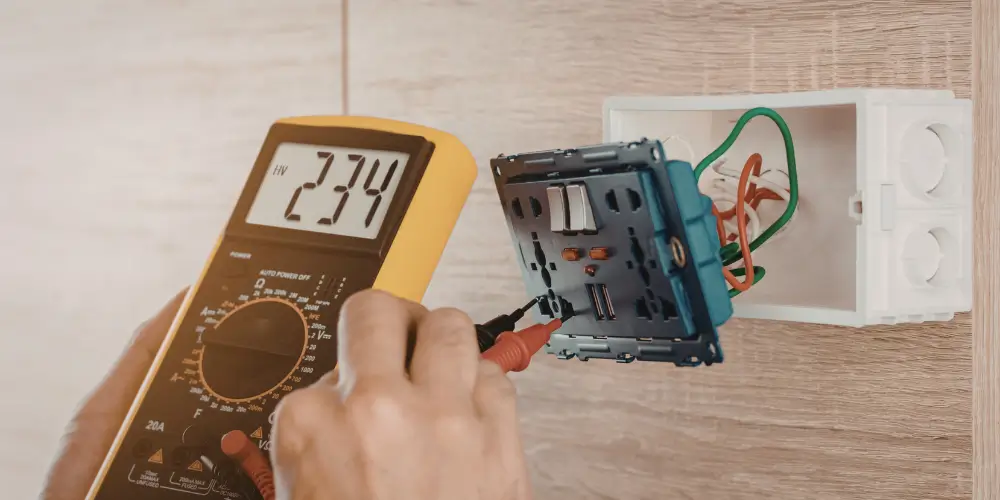
Key Safety Risks That Highlight the Need for Electrical Testing
While many property owners may overlook the importance of regular electrical testing and the reasons for EICR, the latent safety risks associated with outdated or faulty electrical systems cannot be ignored.
Understanding these risks is essential for ensuring a safe living or working environment. Key safety risks include:
- Electrical Fires: Faulty wiring or overloaded circuits can lead to dangerous fires.
- Shock Danger: Damaged insulation or improper grounding increases the risk of electrical shocks.
- Equipment Damage: Voltage fluctuations can harm sensitive electronic devices and appliances.
- Legal Liabilities: Neglecting safety can lead to significant legal consequences if an incident occurs.
Legal Obligations That Make Electrical Inspections Essential
Legal obligations regarding electrical safety inspections are essential for property owners and landlords, as failure to comply can have serious consequences.
In many jurisdictions, the law mandates regular inspections to guarantee that electrical installations meet safety standards, clearly reinforcing the reasons for EICR compliance. For instance, the Electrical Safety Standards in the Private Rented Sector (England) require landlords to obtain an Electrical Installation Condition Report (EICR) every five years. Non-compliance can lead to hefty fines, legal action, and even loss of rental licenses.
Furthermore, insurance policies often require proof of compliance with electrical safety regulations. Failure to adhere to these obligations may result in denied claims in the event of an electrical incident.
Consequently, conducting regular electrical inspections is not only a legal requirement but also an analytical step in safeguarding both tenants and property, clearly supporting the reasons for EICR, guaranteeing a safe living environment while protecting the landlord’s investment.
How Early Electrical Fault Detection Prevents Serious Hazards
Routine electrical inspections, such as those mandated by the EICR, play a significant role in identifying latent electrical faults early.
Early detection of these issues can prevent danger, ensuring the safety of occupants and property.
The benefits of timely fault identification include:
- Minimised Risk of Electrical Fires: Detecting faults such as frayed wires reduces the risk of electrical fires.
- Increased Equipment Longevity: Promptly addressing issues can prolong the lifespan of electrical appliances and systems.
- Improved Energy Efficiency: Identifying faults helps optimise energy usage, leading to lower utility bills.
- Increased Safety Compliance: Regular inspections ensure compliance with safety regulations, protecting both residents and property from latent liabilities.
Fire Prevention Benefits Linked to the Reasons for EICR Checks
Regular EICR checks play an essential role in fire prevention by systematically identifying electrical danger before it escalates into dangerous situations, reinforcing the reasons for EICR assessments. These inspections focus on detecting issues such as faulty wiring, overloaded circuits, and damaged equipment that can contribute to fire risks. By addressing these dangers promptly, EICR checks significantly reduce the risk of electrical fires, protecting property and lives.
In addition to preventing immediate fire threats, EICR checks promote long-term safety by ensuring that electrical systems comply with current regulations and standards. This response not only mitigates risks but also encourages a civilisation of safety within residential and commercial settings.
Moreover, the knowledge that electrical installations are regularly evaluated provides occupants with peace of mind, reinforcing the importance and the reasons for EICR in maintaining safe environments. Overall, regular EICR assessments are a crucial component of a thorough fire prevention strategy.
Why Electrical Reports Matter for Landlords and Letting Agents
Electrical reports are analytical tools for landlords and letting agents, serving as an essential means of ensuring tenant safety and compliance with legal requirements.
These reports provide a thorough assessment of electrical systems, which is crucial for various reasons:
- Legal Compliance: Ensures properties comply with safety regulations, protecting landlords from legal repercussions.
- Tenant Safety: Identifies possible danger, markedly reducing the risk of electrical fires and shocks.
- Property Value: Maintains or increases property value by demonstrating that the electrical systems are up to date and safe.
- Insurance Benefits: Can lower insurance premiums and simplify claims by providing documented evidence of safety measures.
Managing Older Buildings With Clear Reasons for EICR Reviews
When managing older buildings, it is essential to conduct periodic EICR (Electrical Installation Condition Report) inspections to ensure the safety and reliability of electrical systems.
Older structures often contain outdated wiring, circuit configurations, and electrical installations that may not meet current safety standards, clearly highlighting the reasons for EICR evaluations. Regular EICR assessments help identify latent issues such as overloading, faulty connections, and deterioration due to age.
Moreover, these reports provide a clear documentation trail that can be critical for compliance with legal and insurance requirements. By promptly addressing identified issues, property managers can mitigate the risk of electrical failures that may lead to fires or injuries.
Additionally, maintaining a response to electrical safety reinforces the building’s value and increases tenant confidence. Ultimately, EICR reviews serve as an essential tool in ensuring that older buildings remain safe and functional for their occupants.
How Routine Electrical Assessments Support Long-Term Safety
Conducting routine electrical assessments is essential for maintaining long-term safety in both older and newer buildings.
These assessments help identify latent risks that could lead to electrical failures or fires, ensuring a safe environment for occupants. Regular evaluations are essential in promoting adherence to safety standards and regulations.
The benefits of routine electrical assessments include:
- Early Detection: Identifying issues before they escalate into major problems.
- Compliance Assurance: Ensuring that the electrical system meets current safety regulations.
- System Longevity: Extending the lifespan of electrical systems through regular maintenance.
- Peace of Mind: Providing occupants with confidence in the safety of their living or working environment.

Financial and Insurance Advantages of Electrical Compliance
Ensuring compliance with electrical safety standards can provide significant financial and insurance benefits for property owners and businesses, reinforcing the reasons for EICR requirements. By adhering to these regulations, property owners mitigate the risk of costly accidents and damage, which can lead to expensive repairs and latent legal liabilities.
Insurance companies often favour compliant properties, resulting in lower premiums and better coverage options.
Moreover, having up-to-date Electrical Installation Condition Reports (EICRs) can increase a property’s marketability. Prospective buyers or tenants are more likely to invest in a space that demonstrates a commitment to safety and compliance, possibly increasing its value.
In addition, compliance can help avoid regulatory penalties, contributing to long-term financial stability.
Ultimately, prioritising electrical safety not only safeguards individuals but also serves as a sound financial strategy, providing peace of mind and economic benefits.
Maintaining Safe Electrical Systems Through Proven Practices
Regular maintenance of electrical systems is essential to prevent risks and ensure peak performance.
Implementing proven practices can markedly increase electrical safety and system reliability. The following key practices should be routinely observed:
- Routine Inspections: Conduct regular checks to identify wear and tear and ensure all components operate safely.
- Professional EICR Testing: Engage qualified professionals to conduct Electrical Installation Condition Reports (EICRs) and evaluate the system’s compliance with safety standards.
- Up-to-Date Documentation: Maintain thorough records of inspections, repairs, and upgrades to track the system’s health and history.
- Prompt Repairs: Address any identified issues immediately to prevent them from escalating into more severe problems or risks.
Frequently Asked Questions
How Often Should EICR Tests Be Conducted?
EICR tests should be conducted at least every five years for residential properties and every three years for commercial properties. Additionally, they should be performed whenever there are significant changes to the electrical system.
What Qualifications Should the Electrician Have for EICR?
An electrician performing EICR should possess relevant qualifications, including City & Guilds certification, NICEIC registration, or equivalent credentials. Experience in electrical installations and a thorough understanding of safety regulations are also essential for accurate assessments.
What Happens if a Property Fails the EICR?
If a property fails the EICR, it indicates electrical risk or deficiencies. The owner must address the issues promptly, ensuring necessary repairs are made to meet safety standards before re-evaluation and continued occupancy.
Can Tenants Request an EICR Report From Landlords?
Tenants can request an EICR report from landlords, especially if required by law or for safety reasons. Landlords are generally obligated to provide this information to guarantee compliance with electrical safety regulations.
Are There Costs Associated With EICR Inspections?
Yes, there are costs associated with EICR inspections. These expenses can vary based on property size and complexity, typically ranging from £100 to £300, depending on the electrician’s rates and the condition of the electrical system.
Conclusion
In summary, understanding the reasons for Electrical Installation Condition Reports (EICR) is essential for property owners to ensure electrical safety and compliance. By recognising latent safety risks, fulfilling legal obligations, and detecting faults early, property owners can prevent danger and protect their investments. Regular inspections not only contribute to fire prevention and the management of older buildings but also offer financial and insurance benefits. Ultimately, prioritising electrical safety promotes a secure environment for all occupants.