Fire safety legislation establishes fundamental guidelines that govern the responsibilities of property owners and employers. These laws are pivotal in mitigating fire risks in various environments. Understanding who is accountable and the specific requirements for compliance is essential. As modern construction introduces unique challenges, staying informed about these regulations can significantly impact safety outcomes. The implications of non-compliance can be severe, raising questions about the effectiveness of current practices. What measures are essential to guarantee safety?
Key Takeaways
- Fire safety protects lives by enforcing construction standards and requiring safety features such as alarms and extinguishers in buildings.
- Employers and property owners have legal responsibilities to conduct fire risk assessments and implement preventive measures.
- Regular inspections and audits ensure compliance with fire safety regulations and identify possible deficiencies in safety protocols.
- Employee training and regular drills promote a society of safety, ensuring everyone understands their role in fire prevention and response.
- Updated legislation addresses modern building risks, emphasising the need for rigorous assessments and adapting safety protocols to contemporary architectural challenges.
Table of Contents
The Purpose of Fire Safety Legislation and How It Protects Lives
Although fire safety may seem like a set of bureaucratic requirements, its primary purpose is to safeguard lives and property from the devastating effects of fire. These laws establish standards that dictate how buildings should be constructed and maintained to minimise fire risks. They require installing essential safety features, such as alarms and extinguishers, that empower individuals to act swiftly in emergencies.
Moreover, fire safety promotes awareness and education about fire risk, promotes a society of vigilance and preparedness. This knowledge is essential in ensuring that everyone understands their role in preventing fires and protecting themselves and others.
Ultimately, these regulations increase the freedom to live without the constant fear of fire. By adhering to fire safety legislation, communities can enjoy safer environments where the threat of fire is considerably reduced, allowing people to thrive without unnecessary worry.
Who Is Legally Responsible Under Fire Safety Legislation?
Determining who is legally responsible under fire safety involves various stakeholders, each with distinct obligations.
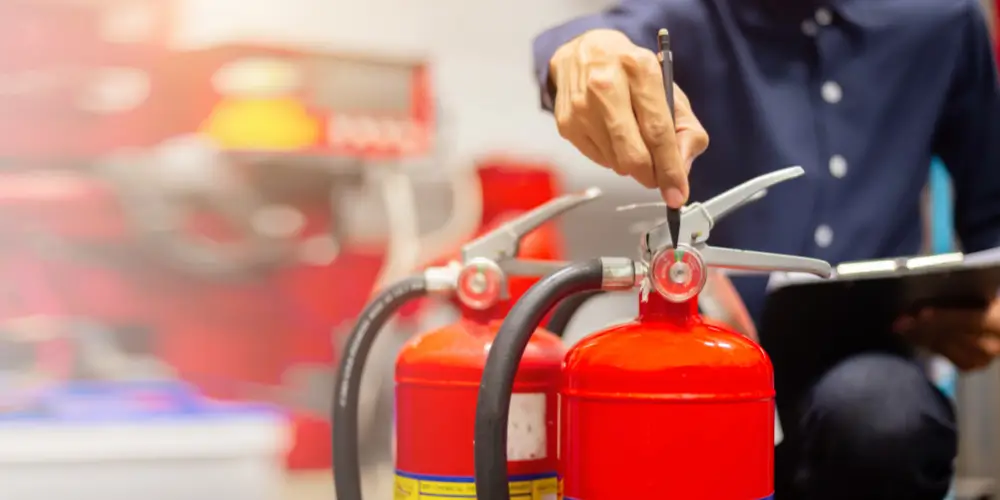
Primarily, the duty falls on the responsible person, often the employer or owner of the premises, tasked with ensuring compliance with fire safety regulations. This individual must assess fire risks, implement preventive measures, and maintain safety equipment.
Additionally, employees share responsibility for understanding and following fire safety protocols.
Landlords and property managers must also comply with specific regulations to ensure shared spaces are safe for tenants.
Fire safety officers and local authorities play a significant role in enforcing compliance through inspections and guidelines.
Ultimately, accountability is shared across these groups, promoting a collaborative environment that aims to minimise fire risks.
Each stakeholder must recognise their role in safeguarding lives and property, reinforcing the collective commitment to fire safety.
The framework encourages energetic measures, ensuring that fire safety is a shared responsibility, promoting freedom from possible danger.
How Fire Safety Legislation Applies to Different Types of Buildings
Fire safety varies considerably across building types, reflecting the unique risks and occupancy patterns associated with each structure.
Residential properties, for instance, emphasise occupant protection in private spaces, mandating smoke alarms and clear escape routes. In contrast, commercial buildings are subject to stringent regulations that require comprehensive fire safety systems to safeguard numerous occupants and valuable assets.
For high-rise structures, additional safety measures, such as sprinkler systems and fire-resistant materials, are often mandated to address the complexities of evacuation and fire containment.
Educational institutions face specific requirements to ensure children’s safety, necessitating frequent drills and clear signage.
Industrial facilities that handle hazardous materials must adhere to rigorous protocols governing storage and handling to minimise the risk of fire.
Consequently, fire safety is tailored to the inherent risks of each building type, promoting a society of safety and responsibility across diverse environments.
Fire Risk Assessments: A Core Requirement of Fire Safety Legislation
A thorough understanding of fire safety requires implementing fire risk assessments, which are fundamental to ensuring safety across all building types. These assessments serve as a energetic measure, identifying possible fire risk and evaluating the risks they pose. By systematically examining the environment, including the layout, materials, and occupancy levels, property owners can pinpoint vulnerabilities that may threaten lives and assets.
Furthermore, fire risk assessments are not a one-time obligation; they require regular updates to reflect changes in building use or occupancy. Compliance with these assessments not only fulfils legal duties but also empowers individuals to take charge of their safety.
Ultimately, this commitment to rigorous fire risk evaluation promotes a society of awareness and preparedness and fosters a sense of freedom and security within communities. Ensuring that everyone understands their role in fire safety increases collective resilience and well-being.
The Role of Fire Safety Legislation in Emergency Evacuation Planning
While many factors contribute to effective emergency evacuation planning, fire safety is central to ensuring buildings are equipped to handle such crises. These laws set the framework for maintaining safe environments, mandating the installation of fire alarms, emergency exits, and clear signage. By establishing minimum safety standards, legislation empowers occupants with the knowledge necessary for safe evacuation.
Moreover, fire safety requires regular drills and training to promote a society of preparedness among occupants. This response not only informs individuals of their rights but also increases their ability to act swiftly in an emergency.
The integration of fire safety regulations into evacuation planning guarantees that everyone, regardless of ability or location within a building, has equal access to safe egress.
In this way, fire safety legislation not only protects life but also champions the fundamental right to freedom from harm in emergencies.
How Enforcement Authorities Monitor Fire Safety Legislation Compliance
To ensure compliance with fire safety, enforcement authorities employ a range of monitoring techniques, including inspections, audits, and reviews of safety documentation.
These methods serve to assess the adherence of businesses and property owners to established safety standards. Regular inspections are conducted to ensure that fire safety measures, such as alarms and extinguishers, are adequately maintained and functional.
Additionally, authorities may initiate audits, which provide a thorough evaluation of fire safety protocols, training programs, and evacuation plans.
The review of safety documentation, including fire risk assessments and maintenance records, further helps identify possible deficiencies.
Penalties and Legal Action Linked to Fire Safety Legislation Breaches
Failure to comply with fire safety can result in severe penalties and legal action, underscoring the importance of adherence to safety standards. Organisations and individuals who neglect these laws may face consequences that can endanger their freedom to operate.
- Fines: Financial penalties can range from minor amounts to significant sums, depending on the severity of the breach.
- Legal Action: Non-compliance may lead to lawsuits, which can drain resources and damage reputations.
- Imprisonment: In extreme cases, individuals responsible for severe breaches may face criminal charges and possible jail time.
These penalties serve as a reminder that fire safety is not just a regulatory burden but a fundamental responsibility.

Fire Safety Legislation and the Importance of Staff Training
Effective fire safety legislation emphasises the analytical role of staff training in cultivating a safe working environment. Organisations must prioritise thorough training programs that educate employees about fire danger, prevention strategies, and emergency protocols. This training empowers staff to act decisively and efficiently in the event of a fire, reducing possible risks and ensuring the safety of all individuals present.
Moreover, well-trained employees are more likely to adhere to safety regulations, thereby promoting a society of responsibility and vigilance. Regular drills and refresher courses not only reinforce knowledge but also help identify gaps in understanding, allowing organisations to adapt their training accordingly.
In an era where freedom and safety coexist, investing in staff training is not merely a legal obligation; it is a fundamental aspect of creating a secure workplace. By equipping employees with the knowledge and skills to respond effectively, businesses can uphold their commitment to safety and compliance.
How Updated Fire Safety Legislation Reflects Modern Building Risks
Updated fire safety legislation reflects the evolving outlook of building risks, addressing emerging challenges presented by modern construction materials and design techniques. As buildings become taller and more complex, the possible danger associated with fire has intensified, necessitating a revision of safety protocols.
- Increased use of lightweight, combustible materials
- Open-concept layouts that may hinder evacuation
- Advanced technologies in fire detection and suppression
These factors compel lawmakers to adapt regulations that not only guarantee compliance but also prioritise the safety and well-being of occupants.
The updated legislation emphasises rigorous fire assessments, increased training for emergency personnel, and stricter enforcement of fire codes. By recognising the unique risks associated with contemporary architecture, fire safety legislation aims to create a safer environment, empowering individuals to feel secure within their spaces.
This shift represents a commitment to energetic measures that promote a society of safety amid ongoing innovations in building design.
Using Fire Safety Legislation to Build a Long-Term Safety Strategy
While navigating the complexities of modern building safety, organisations can leverage fire safety as a foundational element in developing a long-term safety strategy. By understanding and integrating these regulations, entities can cultivate an environment that prioritises safety while promoting individual autonomy.
A robust safety strategy not only mitigates risks but also empowers organisations to adapt energetically to emerging challenges. Continuous training and adherence to fire safety protocols promote a society of awareness, enabling employees to take ownership of their safety.
Moreover, regular audits and compliance checks guarantee that safety measures evolve alongside legislative changes. This dynamic approach not only meets legal obligations but also demonstrates a commitment to protecting lives and property.
Frequently Asked Questions
What Are the Costs Associated With Implementing Fire Safety Measures?
Implementing fire safety measures incurs various costs, including equipment purchase, installation, maintenance, training, and possible upgrades. These expenses can vary considerably based on facility size, complexity, and specific safety requirements, impacting budgets and planning.
Can Individuals Be Held Personally Liable for Fire Safety Breaches?
Individuals can indeed be held personally liable for fire safety breaches, particularly if negligence is proven. This liability underscores the importance of personal responsibility in maintaining safe environments and complying with regulations.
How Often Should Fire Safety Training Be Conducted for Staff?
Fire safety training for staff should be conducted annually to ensure employees remain informed about protocols and updates. Regular refreshers promote an energetic safety culture, empowering individuals to act confidently in emergencies.
What Documentation Is Required to Prove Fire Safety Compliance?
Documentation for fire safety compliance typically includes risk assessments, fire safety policies, training records, equipment maintenance logs, inspection certificates, and incident reports, ensuring transparency and accountability in safety practices while promoting individual freedom and responsibility.
Are There Specific Fire Safety Regulations for Outdoor Events and Festivals?
Yes, specific fire safety regulations apply to outdoor events and festivals, emphasising crowd management, accessibility of fire equipment, and emergency response plans to ensure safety while allowing attendees to enjoy the festivities.
Conclusion
To summarise, fire safety plays a pivotal role in protecting lives and property by establishing clear legal responsibilities for property owners and employers. By conducting risk assessments, maintaining safety equipment, and ensuring thorough staff training, organisations can significantly mitigate fire danger. As building designs evolve, adherence to updated regulations is essential for effective risk management. Energetic compliance not only safeguards occupants but also promotes a civilisation of safety, ultimately contributing to long-term fire prevention strategies.