- Monday to Friday | 09:00 AM to 06:00 PM
Pricing Plan
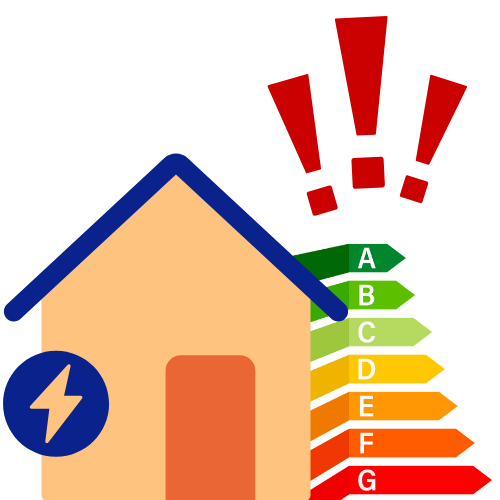
It is important to recognise that an Energy Performance Certificate is a vital tool for assessing the energy efficiency of properties in England. Properties are graded on a scale from A to G, with the rating directly influencing both rental potential and market value. Landlords are legally required to provide tenants with a valid Certificate, ensuring that projected energy costs are based on the most up-to-date assessment.Failure to comply can result in substantial fines, reinforcing the importance of meeting this obligation. Arranging an EPC involves appointing a certified assessor. Costs typically range from £60 to £120, depending on the property’s size and location. Additional factors and strategic considerations may also shape how landlords approach this requirement.
An Energy Performance Certificate is an official document that measures the energy efficiency of a home in the UK. Managed by the Building Research Establishment (BRE), it is a crucial resource for prospective buyers, as it highlights any issues within a property and provides a basis for negotiating repairs or improvements before completing the purchase. In addition, can help reduce running costs by identifying areas where energy efficiency can be improved.
If you are a landlord, homeowner, or property agent in London, obtaining an Energy Performance Certificate is a legal requirement before renting or selling a property. At Landlord Certifications, we make the process simple and affordable, with EPCs starting from just £45. Our accredited energy assessors carry out professional inspections across Greater London and issue certificates fully compliant with the latest government regulations.
Whether for a flat, house, or commercial premises, our service is built around speed, convenience, and value. You can book online in minutes, select a suitable appointment, and receive your digital EPC within 24 to 48 hours of inspection. There are no hidden charges, unnecessary delays, or complicated procedures, just fast, reliable, and cost-effective EPCs delivered by experienced professionals. We work with landlords, letting agents, and homeowners throughout London, ensuring every property meets the required energy rating standards and is ready for market. Whether you are renewing an existing EPC or arranging one for a new property, trust Landlord Certifications to provide an accredited, affordable, and seamless service, supported by expert guidance at every stage.
To obtain certificate in England, the first step is to arrange a comprehensive assessment with a qualified energy assessor.
During the inspection, the assessor examines the property’s energy efficiency and carbon emissions, carefully recording all relevant details.
By understanding what takes place during this process, landlords and property owners can ensure their properties meet the necessary energy performance standards.
Securing certificate in England begins with arranging a professional assessment, a straightforward process that involves several key steps. The first stage is selecting the appropriate booking option.
The assessment can be easily organised online, allowing you to choose local assessors familiar with the requirements of different property types.
Choosing the right assessor requires considering their expertise in relation to your property, whether it is a residential dwelling or a commercial building. Different property types may demand specific knowledge, which directly affects the accuracy and reliability of the report.
Once a suitable assessor has been appointed, preparation for the inspection is essential. This means ensuring all areas of the property are accessible and that any relevant documentation is available for review.
It is also advisable to confirm the expected duration of the assessment when booking, so you can plan accordingly.
Finalising the appointment involves receiving a confirmation, which secures the agreed date and time. This confirmation also outlines the assessor’s arrival details and any preparatory steps required in advance.
Thorough preparation ensures that the assessment is both efficient and effective, helping to achieve a smooth certification process.


Once the appointment is confirmed, the inspection is a comprehensive process that assesses multiple aspects of your property to establish its energy efficiency.
The qualified assessor follows strict national standards and reviews all visible and accessible features, including heating systems, insulation, windows, and construction materials.
The inspection usually takes between 45 and 90 minutes, depending on the type and size of the property. To aid accuracy, it is advisable to prepare by providing documents such as recent energy bills or records of renovations that have influenced efficiency. This ensures a precise evaluation and addresses the misconception that inspections are superficial.
Preparation should also include ensuring clear access to key areas such as the boiler, radiators, and loft where applicable. Taking these steps helps the inspection run more smoothly.
While the process is thorough, it is important to note that it remains non-intrusive.
Equally important is the inspector’s qualification. They must be accredited under an approved government scheme, guaranteeing compliance with current energy assessment protocols. This ensures that any recommendations for improving your property’s energy efficiency are both practical and fully aligned with the latest standards.
An Energy Performance Certificate in the UK is valid for a period of 10 years.
Property owners should renew their EPC if substantial energy efficiency improvements have been carried out, or when preparing for a new tenancy.
Keeping the EPC up to date is essential, both to remain legally compliant and to strengthen the property’s appeal on the market.
EPC certificate validity period
When considering the lifespan of an EPC, it is important to note that it remains valid for ten years in the UK. This timeframe is in line with government guidelines and ensures that property owners regularly reassess their property’s energy performance.
To help manage EPC obligations effectively, keep in mind the following points:
An EPC must be renewed every ten years, or sooner if substantial changes are made to the property.
Owners are obliged to ensure their EPC reflects any major energy-related renovations in line with current regulations.
Routine assessments are not compulsory, though significant shifts in energy usage may require a fresh evaluation.
Maintaining accurate records of upgrades and modifications supports compliance and simplifies the renewal process.
Certain property types—such as temporary buildings or places of worship—may be exempt from standard EPC requirements.
Evaluating the energy performance of commercial and residential properties involves distinct criteria, reflecting their varied usage and structural complexities. We need to understand the nuances that differentiate the assessment of these property types.
Here are key aspects where assessment criteria diverge:
These distinctions guarantee that the EPC certificates accurately reflect varied property types' energy profiles and efficiency potentials.
Determining which Energy Performance Certificate regulations apply to your building hinges on whether the property is classified as commercial or residential. This distinction significantly impacts the applicable standards and legal implications you must navigate.
The overview of the EPC regulations for residential properties entails adherence to specific residential standards designed to optimise energy efficiency in living spaces. These standards are particularly stringent for new constructions or major renovations, ensuring that new homes meet current energy efficiency benchmarks.
On the other hand, commercial properties follow a different set of EPC guidelines. Commercial guidelines are tailored to address this sector's diverse types of buildings, ranging from offices to retail spaces, each with unique energy demands. The regulations for commercial buildings incorporate broader energy efficiency metrics and often necessitate detailed reporting to comply with legal standards.
Both sectors face rigorous renovation rules, reinforcing the importance of upgrades to enhance energy performance.
Understanding these distinctions is essential for compliance and maximising the property's energy potential, whether dealing with residential or commercial buildings. We must recognise that these rules not only dictate legal compliance but also affect operational costs and environmental impact.
When considering what might cause an EPC to fail, it is important to recognise the common factors that lower a property’s rating.
We will look at the key problem areas and set out practical strategies for addressing them.
By understanding these elements, you can significantly improve your property’s energy performance while ensuring full compliance with regulatory standards.
Poor insulation in walls, roofs, and floors results in significant heat loss, reducing the property’s overall energy efficiency.
Inefficient or poorly maintained heating systems consume excessive energy and lower the EPC rating. Upgrading to modern systems is essential.
Insufficient ventilation can lead to damp and mould, compromise indoor air quality, and increase heating demands.
Continued use of incandescent bulbs instead of LED alternatives raises energy consumption and negatively affects the rating.
The absence of renewable technologies, such as solar panels or wind turbines, prevents the offset of carbon emissions and lowers EPC performance.
Having identified the common factors that reduce rating, it is equally important to consider practical strategies for improvement.
A variety of upgrades can significantly enhance your property’s energy performance:
Energy efficiency upgrades: Replacing old windows with double- or triple-glazed units helps to reduce heat loss and improve thermal comfort.
Property insulation: Installing cavity wall or loft insulation retains heat during colder months and keeps interiors cooler in summer, reducing energy demand.
Heating system optimisation: Ensuring boilers and radiators operate efficiently prevents unnecessary energy waste and supports a stronger EPC rating.
Renewable energy options: Incorporating technologies such as solar panels or biomass heating systems improves performance while cutting carbon emissions.
Lighting efficiency: Switching from traditional bulbs to LED alternatives lowers energy consumption and extends lifespan.
Ventilation improvements: Proper ventilation prevents damp and mould, supports indoor air quality, and contributes positively to energy efficiency.
Routine maintenance: Regularly servicing heating systems, sealing drafts, and repairing insulation issues helps maintain long-term efficiency.
By implementing these solutions, property owners can boost their EPC ratings, reduce running costs, and ensure full compliance with current standards.
It is important to understand the legal consequences of failing to provide an Energy Performance Certificate when letting a property.
Renting out either residential or commercial premises without a valid EPC is unlawful. Enforcement measures are strict, designed to protect tenants and encourage higher energy efficiency standards.
Landlords who do not obtain an EPC before letting are liable to financial penalties. These fines are significant, typically up to 12.5% of the property’s rateable value, with a minimum charge of £500 and a maximum of £5,000.
Repeat breaches attract heavier penalties and increased monitoring through formal compliance checks.
In addition to legal risks, the absence of a valid EPC can diminish a property’s market appeal.
Tenants and buyers increasingly prioritise energy efficiency, meaning properties without certification may lose both perceived value and competitiveness.
Local authorities conduct regular compliance inspections to ensure landlords meet their obligations. These reviews are thorough and may result in legal proceedings if breaches are identified.
Maintaining a current EPC is therefore not only a legal requirement but also a safeguard for protecting property value and securing its attractiveness on the rental and sales market.

Frequently Asked Questions