- Monday to Friday | 09:00 AM to 06:00 PM
Pricing Plan

In the UK, an Emergency Lighting Certificate is issued in accordance with the Emergency Lighting (Safety) Regulations 1997. These regulations require emergency lighting to be installed in all buildings and premises specified under the Emergency Equipment (Safety) Regulations 1997. An Emergency Lighting Certificate is typically valid for five years, during which time the system must be properly maintained.
To remain compliant, emergency lighting must be inspected annually and recertified within the timeframes set by the 1997 regulations. Where appropriate, certificates may also be issued for a shorter period. However, an Emergency Lighting Certificate is not required for premises that have an emergency lighting system powered by a rechargeable battery or a solar-powered generator.
An Emergency Lighting Certificate confirms that a building’s emergency lighting system meets industry standards and is operating effectively. This certification ensures that, in the event of a power failure or other emergency, the lighting will function as intended to support a safe evacuation. The certification process involves a detailed inspection carried out by a qualified electrician or certified assessor. They review every component of the system, including power supplies, luminaires, and control equipment, to verify compliance with operational and safety requirements. Testing covers light performance, battery back-up capacity, and whether escape routes and exits receive sufficient illumination.
It is important to recognise that this certificate is far more than a formality; it is a vital safeguard. It provides reassurance to both building owners and occupants that the emergency lighting is dependable and will perform during critical situations. Certificates must also be renewed after any alterations to the lighting system or building layout, maintaining ongoing compliance and safety. This proactive approach not only reduces risk but also strengthens emergency preparedness across London’s busy urban landscape.
They are commonly used for purposes such as:
Emergency illumination during power failures or other crises: Emergency lights may also be fitted into high-powered outdoor floodlights to provide temporary lighting when the main power supply is interrupted.
Emergency exit and wayfinding signs: Lights can be integrated into exit signage to ensure they remain illuminated beyond the limits of battery back-up systems. Wayfinding signs along evacuation routes should include self-powered emergency lighting.
Temporary lighting in enclosed spaces or pathways: Emergency lights can illuminate rooms, corridors, or access areas to prevent tripping hazards until the mains supply is restored and standard lighting is available.
Emergency warning systems in hazardous areas: They provide critical visibility and safety support in environments where risks are heightened.
In the UK, self-contained emergency lights are commonly used. These units have an integrated power supply, allowing them to operate independently and provide emergency illumination when the main electricity supply fails. Emergency lighting is an essential feature in both residential and commercial environments.
These lamps are available in a variety of shapes, sizes, and finishes, and are typically constructed from more durable materials than standard domestic fittings. This added resilience ensures they can withstand knocks or exposure to adverse weather, without the need for unnecessarily costly designs. Emergency lights are indispensable in offices as well as homes, offering crucial illumination during power outages or emergencies, including fire-related incidents.
A central battery emergency lighting system operates using lead-acid batteries to supply power to emergency lights. These batteries are typically housed in the basement, which also contains a dedicated power supply for the emergency lighting circuit. Emergency lighting is required in most buildings with a floor area exceeding 200 square metres, as well as in public spaces. Such systems can generally be classified into four main types: electrical, self-generating, solar-powered, or generator-powered.
We carry out regular, comprehensive inspections and tests on emergency lighting systems to ensure their reliability and effectiveness in critical situations. Our approach is carefully structured and fully aligned with the highest standards of safety and compliance.
During the inspection and testing process, our certified technicians follow a strict protocol that includes several key stages:
Visual Inspection: All components of the emergency lighting system, including luminaires, exit signage, and control equipment—are checked for any signs of wear or damage that could affect performance.
Functional Testing: We conduct in-depth checks to confirm that the lights activate automatically in the event of a power failure. This also involves testing battery back-up performance to ensure it meets the specified duration requirements.
Performance Evaluation: Illumination levels and visibility are assessed to verify compliance with statutory safety standards. This guarantees that escape routes remain properly lit during an emergency, supporting safe evacuation for all occupants.
Throughout the process, we maintain detailed records of our findings, providing complete transparency and accountability.
This not only certifies the operational integrity of the system but also strengthens building safety by ensuring the emergency lighting will perform exactly as required in the moments it is needed most.


When examining common compliance issues with emergency lighting certification in London, one of the most frequent shortcomings is inadequate safety signage.
Another recurring issue is irregular maintenance checks, which can undermine both the reliability and safety of the system.
Such oversights present serious risks in the event of an emergency, highlighting the importance of strict adherence to regulatory standards.
Inadequate safety signage is a common cause of compliance failures in emergency lighting systems across London. As specialists, we have identified recurring weaknesses in safety measures and hazard communication that contribute to these issues.
Key challenges include:
Visibility and clarity: Safety signs must be clearly visible and easy to understand. Too often, signage is obscured or printed with text that is too small, creating confusion during an emergency. Correct placement and legibility are essential for an effective response.
Regular updates: Signage must always reflect the current layout and safety protocols of a building. Outdated signs, particularly those left unchanged after renovations or alterations, can mislead occupants and block effective evacuation routes.
Compliance with international standards: Adherence to ISO 7010 for safety signage is critical. Failure to comply not only risks legal consequences but also endangers occupants. Signs must convey hazard information and directions in a universally recognised format, ensuring safety messages are understood regardless of language.
These elements are central to maintaining a safe and compliant emergency lighting system.
Our commitment to improving safety through proper signage forms part of our wider responsibility: ensuring every occupant can evacuate efficiently and safely in an emergency.
It is important to distinguish between maintained and non-maintained lights when discussing emergency lighting systems.
This distinction is crucial, as it directly affects both compliance and performance across different types of properties.
We will assess which system is most appropriate for your requirements, taking into account regulatory responsibilities as well as operational efficiency.
Emergency lighting systems, essential for safety during power outages, fall into two primary categories: maintained and non-maintained lights. Understanding the distinctions between these lighting types aids in selecting the appropriate system based on specific safety and compliance requirements.
Maintained lights are designed to operate continuously, illuminating during normal conditions and emergencies. This dual functionality enhances general lighting and guarantees immediate backup during power failures.
Non-maintained lights, on the other hand, remain unlit until an emergency arises. At that point, they activate to provide necessary illumination, preserving battery life for critical moments.
Key differences include:
Both lighting types must adhere to strict standards that guarantee performance reliability, which is critical for effective emergency response.
Choosing the right emergency lighting system for your property depends on several factors, including building layout, occupancy levels, and local compliance requirements.
In our lighting system comparison, we must consider various emergency light types. Important factors such as installation considerations, property size impact, and maintenance requirements are fundamental in our decision-making process.
A centrally monitored system might be the most efficient for large properties. This setup typically offers longer battery life expectancy, which is vital for large-scale operations. It also allows for streamlined maintenance and ensures compliance across extensive areas.
Conversely, smaller properties could benefit from self-contained systems, where each light operates independently. This choice often results in lower installation costs and simpler maintenance protocols.
Moreover, we must consider visual aesthetics and energy efficiency concerns. The integration of emergency lighting should not disrupt the property's design ethos.
LED-based emergency lights offer a solution that meets visual and energy efficiency standards. They provide sufficient illumination while being discreet and cost-effective over time.
Ultimately, selecting an emergency lighting system must align with rigorous regulatory standards while meeting the specific needs of your property.
Each system presents unique advantages that must be weighed carefully against your property's requirements.
During an emergency lighting test, we begin with a visual inspection and functional check to ensure all components operate correctly under simulated power failure conditions.
We then carefully record the results in the system logbook, providing a formal record of performance and maintenance history.
Finally, we issue a compliance certificate confirming that the installation meets all regulatory standards and is fully prepared for use in an emergency.
To ensure peak performance, we carry out detailed visual inspections and functional checks of emergency lighting systems as part of routine testing protocols.
Our visual inspection process focuses on identifying visible defects or irregularities in components, including cracked casings, exposed wiring, or incorrect mounting.
At the same time, functional testing involves manually activating each unit to confirm it switches on immediately and remains illuminated for the required duration under simulated power failure conditions.
We follow strict testing frequency guidelines, allowing any issues to be identified and resolved promptly. Key areas of focus during inspections include:
Testing equipment essentials: Using certified meters and devices to measure light output and battery performance.
Common malfunction signs: Detecting flickering, dimming, or failure to respond during testing.
Maintenance best practices: Applying corrective measures based on test results to enhance system reliability and extend lifespan.
In addition, inspection documentation requirements mean that all findings are carefully recorded, supporting compliance and accurate tracking.
This robust approach not only guarantees adherence to regulatory standards but also strengthens safety by ensuring emergency lighting systems operate reliably when most needed.
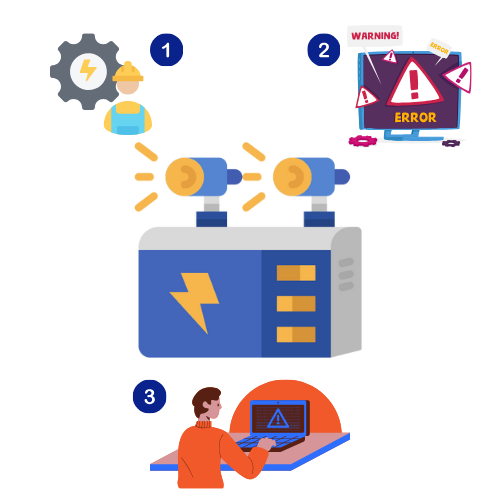

After completing comprehensive visual inspections and functional tests, we carefully document each stage in the emergency lighting system logbook.
This logbook follows strict documentation requirements, ensuring that every detail, from testing intervals to maintenance records, is precisely recorded for compliance purposes.
Our inspection logs are thorough and continuously updated to reflect the latest regulatory standards, demonstrating full alignment with safety obligations.
The certification process includes a detailed review of these records, with each entry examined to confirm that the emergency lighting system meets or exceeds statutory requirements. This step is vital, as it directly affects the reliability and effectiveness of the system in an emergency.
We remain fully committed to upholding these standards, recognising that the safety of all building occupants relies on emergency lighting functioning as intended when it is most critical.
When considering the costs of emergency lighting testing, it is important to recognise that prices can vary significantly.
Several key factors affect the overall cost of these services in England. These include the size of the facility, the complexity of the installation, and the frequency of testing required under regulatory standards.
Understanding the cost of emergency lighting testing is vital for both compliance and effective safety management. We appreciate that landlords and facility managers must take multiple factors into account to ensure cost-efficient and fully compliant safety solutions.
With this in mind, let us review the average testing costs, providing a useful starting point for accurate budget planning.
The baseline cost for testing emergency lighting systems in England generally falls between £150 and £400 per visit, depending on the number of units and the complexity of the installation.
It is advisable to compare pricing and the scope of testing packages offered by different service providers. Doing so ensures both value for money and confidence in full compliance.
Costs may also vary significantly between regions, influenced by local regulations, the availability of qualified providers, and specific landlord obligations.
The type of emergency lighting and the frequency of testing play a crucial role in determining overall compliance costs.
Landlords and safety officers should recognise that committing to regular testing not only reduces the risk of non-compliance penalties but also ensures a safer environment for occupants.
It is essential to choose a testing schedule that meets regulatory obligations while accommodating operational requirements, ideally within service agreements tailored to individual property needs.
Several factors play a role in determining the price of emergency lighting testing. By understanding these elements, landlords and facility managers can budget more effectively while ensuring compliance.
Cost considerations are multi-layered and shaped by a number of interdependent variables. Key influences include testing frequency, the quality of equipment, and the location of the installation. Regulatory updates may also require adjustments to testing procedures, which can affect overall costs. In addition, the choice of service provider—often impacted by market demand—can significantly influence pricing.
When emergency lighting begins to dim or suffers from battery faults, it is often a sign of deeper issues that demand immediate attention. Acting quickly is essential to maintain compliance with safety regulations and ensure the reliability of emergency systems.
Identifying and resolving the cause of reduced brightness or battery malfunctions is a critical part of maintaining effective emergency lighting.
Key considerations include:
Light brightness checks: Regularly monitor the intensity of emergency lights. A noticeable reduction may indicate problems with the power supply or declining battery performance.
Battery replacement guidance: Prevent repeated failures by following the manufacturer’s replacement schedule and using only high-quality, compatible batteries.
Troubleshooting emergency lights: Carry out systematic testing to pinpoint faults related to wiring, battery packs, or LED components.
To preserve optimum performance, it is vital to follow strict maintenance schedules and comply with recommended testing intervals.
By addressing dim lighting and battery problems without delay, you not only remain compliant but also ensure that emergency lighting functions dependably when it is needed most.


Frequently Asked Questions